
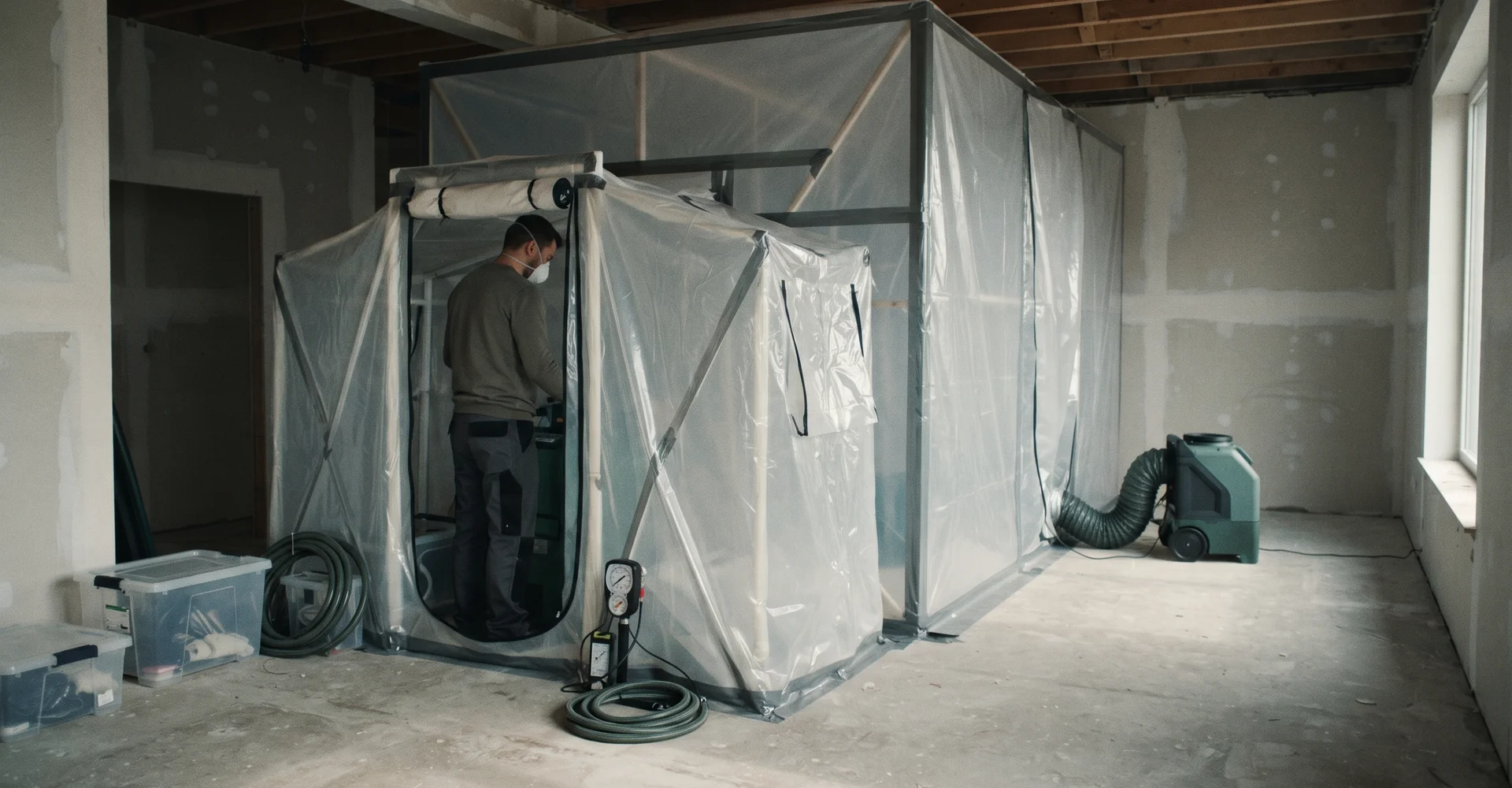
Safe, Compliant Asbestos Abatement in Ottawa
Safe identification, containment, and removal of asbestos-containing materials, compliant with Ontario regulations.
- Licensed, insured, WSIB
- Unmarked vehicles
- Phone answered 24/7
Where This Usually Starts
The Problems Behind Every Asbestos Abatement Call
Renovation stopped cold
Finding suspected asbestos-containing material mid-renovation halts the whole project until someone deals with it properly.
The regulations are confusing
Ontario Regulation 278/05 sets out specific rules for Type 1, 2, and 3 operations, and getting it wrong carries real liability.
Exposure risk to your family
Disturbed asbestos fibres are a serious long-term health risk, which is exactly why DIY removal is one of the worst ways to handle it.
What This Service Covers
What Is Asbestos Abatement?
We safely identify, contain, and remove asbestos-containing materials during renovation, demolition, and restoration work, in full compliance with Ontario Regulation 278/05 and Ministry of Labour, Immigration, Training and Skills Development requirements.
Older Ottawa housing stock and vermiculite attic insulation are the two most common triggers for abatement here. Anything built or renovated before the mid-1980s can contain asbestos in insulation, floor tile, tile mastic, drywall joint compound, textured ceilings, pipe wrap, and cement board.
Every project is classified as a Type 1, Type 2, or Type 3 operation before work begins, because the type determines the containment, the notification requirements, and the price.
What's included
- Type 1, 2, and 3 asbestos operations
- Negative-air containment and HEPA/DOP-tested units
- O. Reg 278/05 and MLITSD compliance
- Double-bagged manifest and clearance
- Vermiculite and Zonolite attic insulation removal
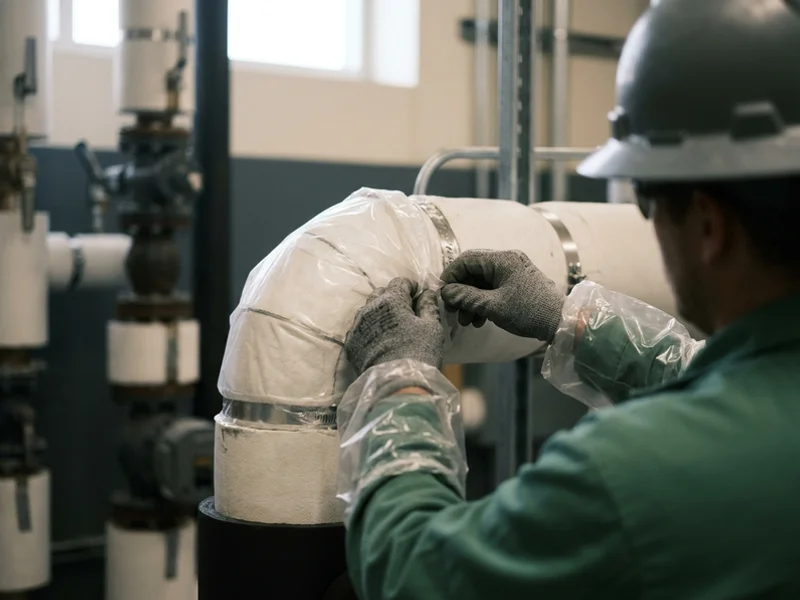
- Glove-bag remediation for pipe insulation
Where we do this work
Across every Ottawa district, the Gatineau side, and up to 200 km into Eastern Ontario. Free assessments throughout the coverage area.
See service areasHave you ever wondered what might be hiding behind the walls of your older house? A quick check can save you a lot of worry down the road.
Our team fields questions about asbestos abatement every single day from local property owners.
Many people are surprised to learn just how common these outdated materials are in local properties. The good news is that handling this issue is a straightforward process.
We want to walk you through exactly how it works, step by step. Grab a cup of coffee. Let’s go through the details together.
Where Is Asbestos Found in Ottawa Homes?
Anywhere built or renovated before the mid-1980s is a prime candidate for these older materials. A 2026 Health Canada update reminds property owners that visual inspections alone cannot confirm the hazard.
Our local crews see a great deal of that aging housing stock, particularly in Centretown, the Glebe, Alta Vista, Westboro, and the older parts of Nepean. The materials show up in quite a few surprising places. Older duct tape, joint compound, and cement board around wood stoves are frequent culprits.
We also frequently encounter vermiculite attic insulation, 9-inch vinyl floor tiles, black mastic, and pipe insulation.
- Vermiculite attic insulation installed before 1990.
- 9-inch vinyl floor tiles and black mastic.
- Pipe and boiler insulation in older basements.
- Drywall joint compound and textured ceiling finishes.
Two things often surprise property owners during a renovation. First, joint compound is a very common source that gets disturbed by almost every drywall project.
Our technicians find that plenty of material people assume is hazardous actually turns out to be safe. That is exactly why laboratory identification must happen before any quote for removal is provided. Testing is the only way to get a definitive answer.
We always rely on accredited laboratories to ensure complete accuracy.
How Is Asbestos Abatement Work Classified?
Ontario Regulation 278/05 divides asbestos work into three distinct operation types. The legal classification drives the entire method, safety protocol, and cost of the job.
Our written quotes always declare the specific operation type so you know exactly what standard the project requires. Each level requires different containment and disposal strategies to keep your air safe. Strict adherence to these rules protects everyone inside the building.
We follow these provincial guidelines rigidly on every single job site.
| Operation Type | Scope of Work | Required Safety Measures |
|---|---|---|
| Type 1 | Small-scale work, under 1 square metre of non-friable material. | Wetting, controlled removal, HEPA vacuuming. |
| Type 2 | Larger non-friable jobs or minor friable work like glove-bag remediation. | Polyethylene enclosures, negative air machines. |
| Type 3 | Large-scale friable removal, including all attic vermiculite. | Full sealed enclosure, decontamination chamber, air monitoring. |
Filing paperwork is another crucial step for major projects. A Notice of Project must be filed with the Ontario Ministry of Labour before any Type 3 work begins.
Our project managers handle all of this mandatory documentation for you. Skipping these legal steps can result in massive fines and project shutdowns. Proper compliance guarantees a secure environment for your family or employees.
We prioritize safety and full transparency from the first inspection to the final walkthrough.
Why Does Vermiculite Get Special Attention?
Vermiculite requires special care because of where the majority of it originated. Health Canada notes that a single mine supplied up to 80% of the world’s vermiculite insulation for decades.
Our inspectors often find this Zonolite brand in local properties built before 1990. This specific product was mined in Libby, Montana. The Montana deposit was heavily contaminated with tremolite-actinolite asbestos.
Because Libby dominated the market for so long, Health Canada estimates that a significant proportion of vermiculite installed in Canadian homes before the mid-1990s originated from Libby and is likely contaminated.
We treat any loose granular attic insulation in an older Ottawa home as highly suspect until laboratory analysis proves otherwise. The practical advice for dealing with this material is very short. You must simply avoid disturbing it under any circumstances.
Our advice is to leave the area completely untouched to prevent airborne dust. Common mistakes to avoid include:
- Storing holiday boxes in the attic space.
- Running new electrical wiring through the loose fill.
- Installing new batts or blown-in insulation over the top.
- Sweeping or vacuuming the attic floor.
Any disturbance can release microscopic fibers into the air you breathe. Removing attic vermiculite is always classified as a high-risk Type 3 operation requiring full containment.
We usually pair this complex removal with correcting the ventilation problems that also drive attic mould in this cold climate.
What Happens to the Waste?
Proper disposal requires rigid adherence to local and federal environmental laws. The City of Ottawa’s Trail Road Waste Facility strictly bans all asbestos dumping.
Our crews double-bag all hazardous waste in heavily labelled 6-mil polyethylene bags. The material is securely sealed and transported under a strict tracking manifest. Authorized private transfer stations, like those on Navan Road, are required to legally accept these loads.
Proper disposal isn’t just a suggestion. The Trail Road Waste Facility officially bans all asbestos dumping, so materials must be routed through licensed private transfer stations with a valid Transportation of Dangerous Goods certificate.
We ensure this hazardous material never enters a standard construction bin or general municipal waste stream. It is strictly forbidden to leave contaminated bags on a residential site overnight. Immediate removal protects the property and the surrounding neighborhood.
Our team makes sure that all dangerous debris leaves your property the exact same day it is removed. Equipment maintenance matters just as much as the bagging process. An untested vacuum that develops a filter bypass will spray dangerous fibers throughout the property rather than capturing them safely.
We rigorously test our containment equipment to confirm total filter integrity before every job. Our mandatory testing protocol includes:
- DOP testing on all HEPA vacuums.
- Seal checks on negative air units.
- Visual inspections of 6-mil polyethylene bags.
- Airflow monitoring in decontamination chambers.
This specialized testing guarantees that the exhaust air is completely clean.
We refuse to take shortcuts with the tools that protect your indoor air quality.
What Do You Get at the End?
Every successful abatement project concludes with a comprehensive, documented file. This specialized paperwork is incredibly valuable for the future of your property.
Our final package includes several critical pieces of documentation.
- Laboratory sample results with a clear chain of custody.
- The official operation type and method statement.
- The licensed disposal manifest from the transfer station.
- The final clearance inspection or air test result.
A buyer’s lawyer, a mortgage lender, or a home insurance provider will eventually ask about previous hazardous material work. Proper documentation proves that the hazard was eliminated according to Ontario law.
We highly recommend keeping this physical folder in a safe place for those exact moments. It is far easier to produce this proof from a well-organized folder than to try and reconstruct the timeline years later. Sequencing is absolutely critical where abatement forms part of a larger restoration after fire or water damage.
During major restorations, demolition and structural drying must never disturb building materials that have not been officially cleared of hazards.
Our detailed records give you complete peace of mind. Doing things in the right order prevents cross-contamination. A systematic process guarantees better results.
We always sequence the removal first to ensure a completely safe environment for the rest of the restoration work. This careful approach protects the entire building structure. An experienced team makes all the difference in keeping your property secure.
Our dedicated staff is ready to help you handle your next asbestos abatement project safely and legally. Give us a call today to schedule your initial site inspection. Fast action prevents bigger problems later.
Transparent Pricing
How Much Does Asbestos Abatement Cost in Ottawa?
Every project is scoped on site and quoted in writing before work starts. These are the ranges most jobs land in.
Type 1 operation
Small-scale, non-friable material, minimal disturbance.
Typical range $1,500 to $3,500
- Material identification and sampling
- Wetting and controlled removal
- HEPA vacuum cleanup
- Double-bagged manifested disposal
Type 2 operation
Larger non-friable removal or limited friable work.
Typical range $3,500 to $7,000
- Polyethylene enclosure
- Negative air with DOP-tested HEPA units
- Glove-bag technique where applicable
- Clearance inspection
Type 3 operation
Friable material, vermiculite, or large-scale removal.
Typical range $7,000 to $12,000
- Full enclosure and decontamination chamber
- Notice of Project filing
- Air monitoring during work
- Independent clearance air testing
Laboratory sample analysis and any required Notice of Project are included in the written quote.
Assessments are free across Ottawa and Eastern Ontario, and nothing is added to the price mid-job. On covered claims we direct-bill most Ontario insurers.
Talk it through: 613-801-1011Why Choose Us
Why Choose Best Extreme Cleaning for Asbestos Abatement?
Identification before removal
We sample and lab-test rather than guessing. Half of what people assume is asbestos is not, and some of what they assume is safe is not.
Regulatory compliance
O. Reg 278/05, Notice of Project filing, and MLITSD requirements handled as part of the job.
Combined restoration scope
Where abatement sits inside a mould, fire, or water project, one team runs the whole sequence in the right order.
Documented clearance
You get the sample results, the disposal manifest, and the clearance record for your property file.
Our Process
How Our Asbestos Abatement Work Runs
-
Identify
Suspect material is sampled under chain of custody and analysed by an accredited laboratory. Nothing is assumed.
-
Classify and notify
The work is classified Type 1, 2, or 3. Type 3 operations require a Notice of Project filed with the Ministry before work starts.
-
Contain and remove
Enclosure, negative air through DOP-tested HEPA units, wet removal methods, and decontamination for anyone entering or leaving.
-
Clear and document
Clearance inspection or air testing, double-bagged manifested disposal, and a compliance record for your file.
Our Work
Equipment, Method, Result
We never publish client scenes. These images show the equipment, the protective standards, and the restored condition we hand back.
How Best Extreme Cleaning Compares
| Feature | Typical provider | Best Extreme Cleaning |
|---|---|---|
| Material identification | Assumed from age | Sampled and lab-analysed under chain of custody |
| Classification | Not stated | Type 1, 2, or 3 declared in the written quote |
| Equipment | Standard shop vacuum | DOP-tested HEPA vacuums and negative air units |
| Disposal | General construction waste | Double-bagged, labelled, manifested to licensed receiver |
| Records | None | Sample results, manifest, and clearance record |
Client Experiences
What Customers Say About Our Asbestos Abatement Work
Reviews from families, executors, and property managers across the region.
They identified what was actually asbestos rather than assuming, which saved us money on two of the three areas.
Handled the paperwork side properly. I had documentation for the file, which mattered when we sold.
Straightforward quote and they worked cleanly around the rest of the renovation.
Questions
Asbestos Abatement FAQs
How much does asbestos removal cost in Ottawa?
How do I know if my Ottawa home has asbestos?
What is the difference between friable and non-friable asbestos?
Is vermiculite insulation always asbestos?
Do I have to remove asbestos if I am not renovating?
Do you file the Notice of Project?
What are chrysotile, amosite, and crocidolite?
Can you do abatement as part of a bigger restoration?
Still have questions?
Nothing you describe will surprise us, and nothing leaves the call. Talk to a real person any hour of the day.
Call 613-801-1011Related Services
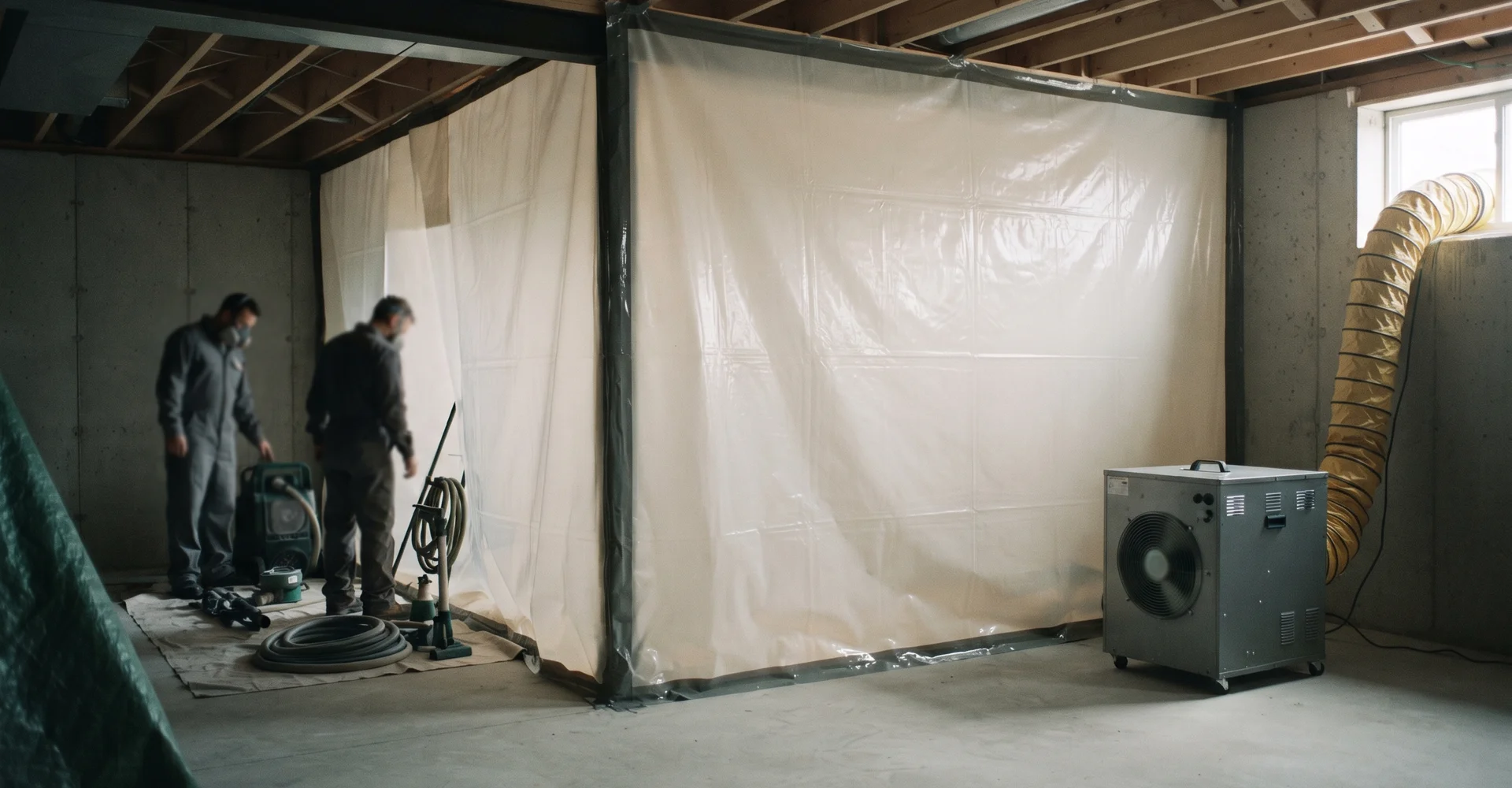
Mould Removal & Remediation
Professional containment and removal of mould, with moisture-source identification and post-remediation air quality verification.
View service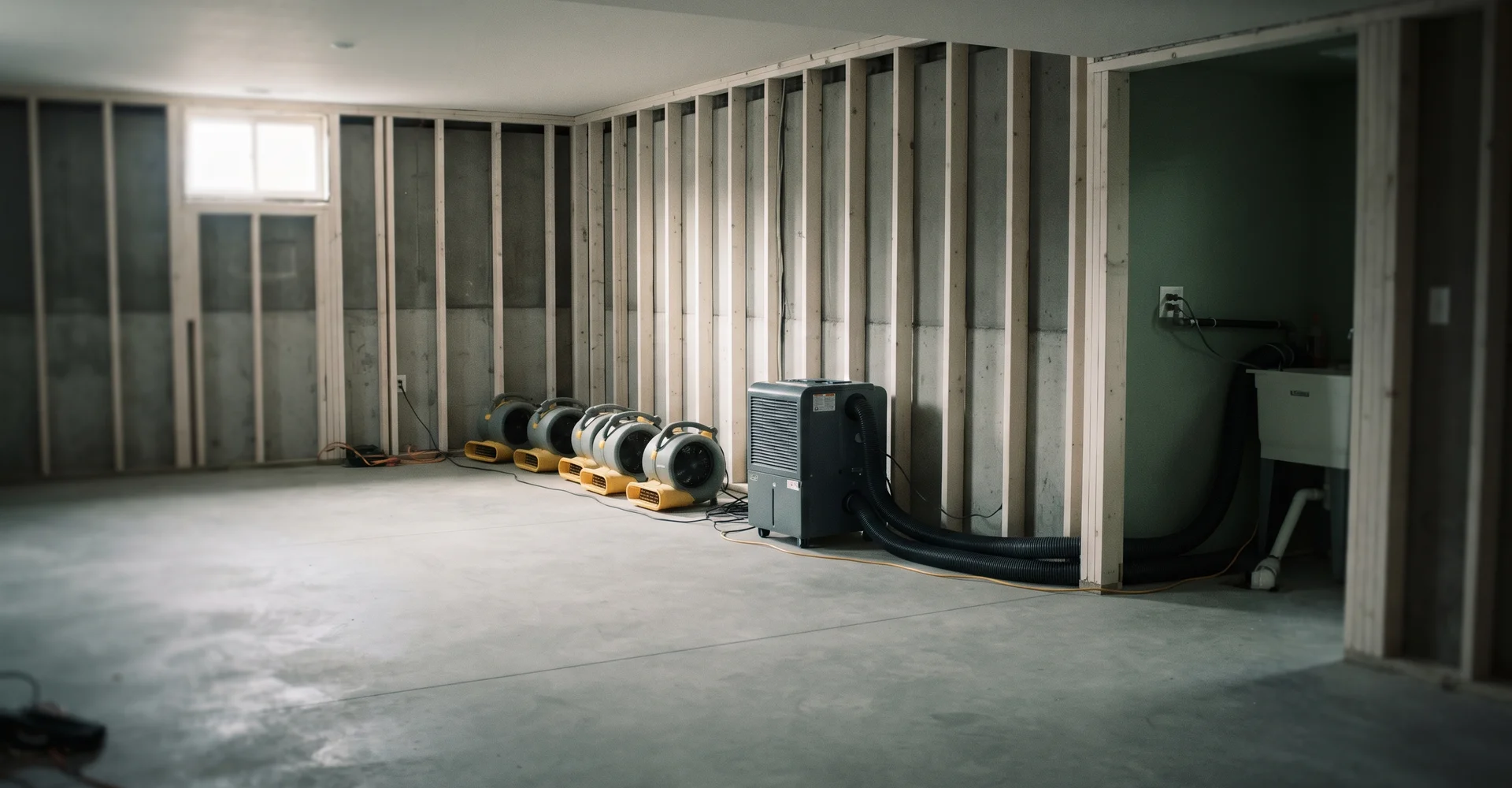
Water Damage Restoration
24/7 emergency response for water damage, with extraction, structural drying, dehumidification, and mould prevention.
View service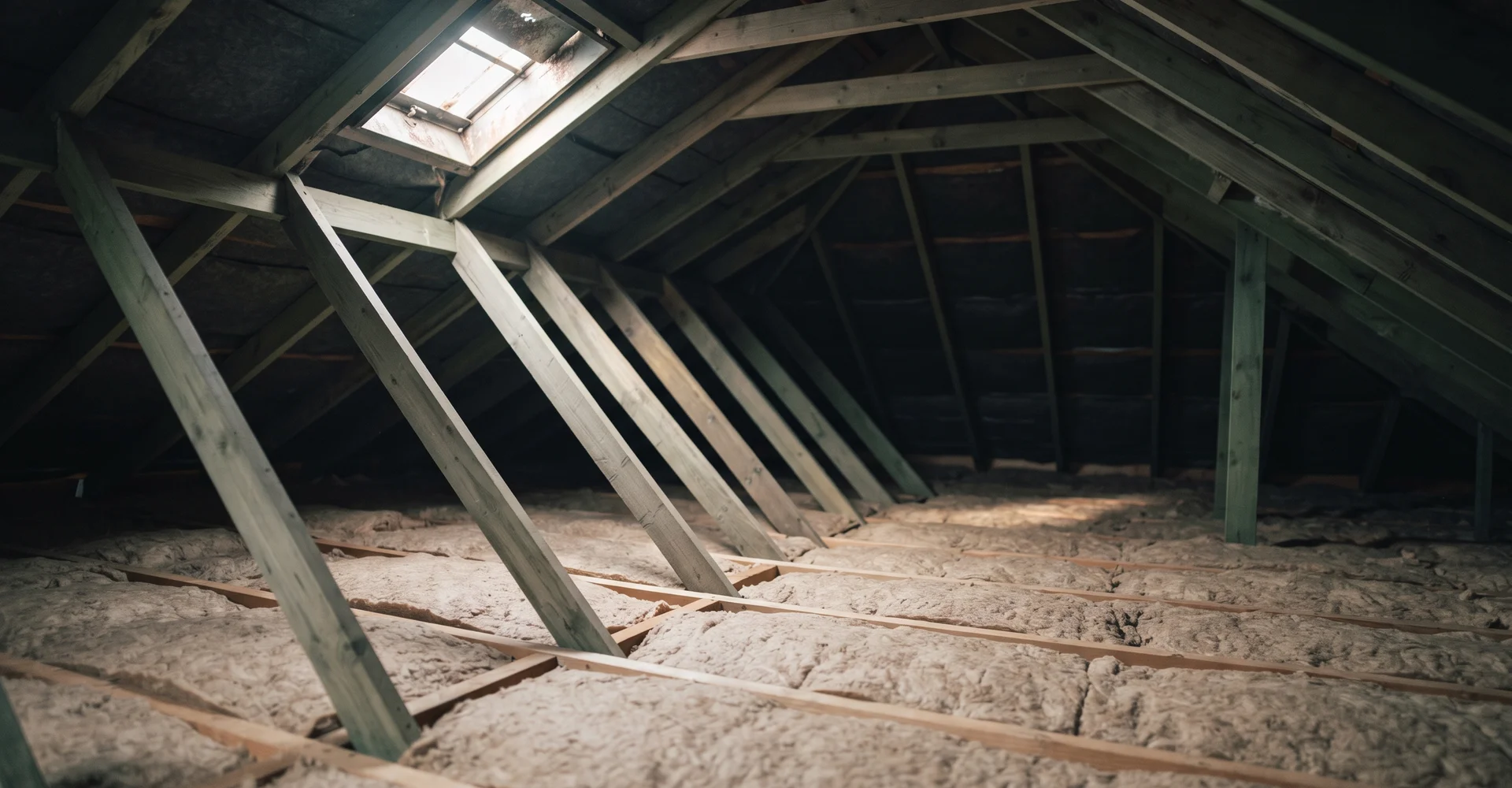
Animal Waste & Pest Contamination Cleanup
Removal and sanitization of rodent, raccoon, pigeon, and other animal droppings, plus syringe recovery and pest contamination.
View service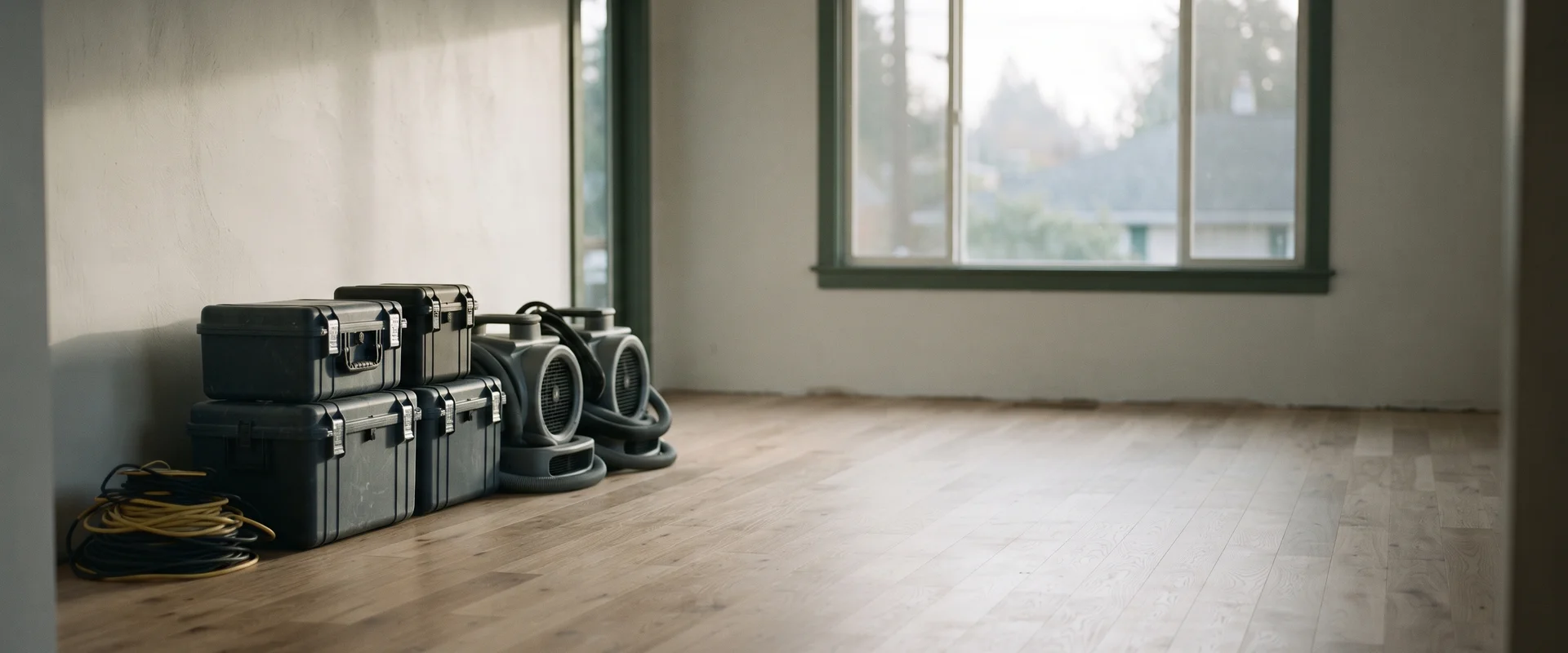
Ready to Talk About Asbestos Abatement?
Free assessment, written quote before we start, and an unmarked crew that has done this work many times before.
- Free assessment, written quote
- Unmarked vehicles, neutral uniforms
- Insurance direct billing on covered claims