
24/7 Water Damage Restoration Across Ottawa
24/7 emergency response for water damage, with extraction, structural drying, dehumidification, and mould prevention.
- Licensed, insured, WSIB
- Unmarked vehicles
- Phone answered 24/7
Where This Usually Starts
The Problems Behind Every Water Damage Call
Every hour raises the cost
Standing water and wet materials get worse fast, and the longer they sit, the more has to be torn out.
Mould risk if drying is rushed
Surface-dry is not the same as structurally dry. Skip steps and mould shows up behind the walls within days.
Insurance coverage is unclear
Whether a claim is covered often depends on the source of the water, and nobody wants to guess wrong.
What This Service Covers
What Is Water Damage Restoration?
We provide 24/7 emergency response for water damage from burst pipes, spring melt, appliance failures, and roof leaks, including water extraction, structural drying, dehumidification, and mould prevention treatment.
Speed is the whole game. Mould can establish in damp building materials within 24 to 48 hours, so the difference between a same-day extraction and a next-week one is often the difference between drying a basement and rebuilding it.
We direct-bill most Ontario insurers on covered claims and document the drying process to insurance-grade standards, including daily psychrometric logs that show the structure actually reached dry rather than looked dry.
What's included
- Emergency water extraction
- Structural drying and dehumidification (LGR)
- Mould prevention treatment
- Insurance direct billing on covered claims
- FLIR infrared moisture mapping
- Daily psychrometric drying logs
Where we do this work
Across every Ottawa district, the Gatineau side, and up to 200 km into Eastern Ontario. Free assessments throughout the coverage area.
See service areasHave you just discovered an unexpected puddle, or maybe a full flood, right in your living room or basement? That sinking feeling is completely normal, but acting fast makes a huge difference.
We are here to guide you through the exact water damage restoration steps needed to protect your property and your wallet.
Finding out that a rapid response can save thousands on a mitigation bill completely shaped how we operate. We handle hundreds of these messy situations every year, and we want to share the exact strategies that work.
So, grab a cup of coffee, and let us walk you through the details.
What Should You Do in the First Hour?
Our priority is keeping you safe and minimizing the immediate destruction. Four critical steps need your attention right now, in this specific order. We recommend stopping the water at the main shutoff valve if you can reach it safely.
Killing the power to the affected area at the breaker panel is the next step, especially if moisture is near outlets. We suggest moving anything you can comfortably lift to a dry level, prioritizing paper, fabric, and electronics. Using a simple non-contact voltage tester, like a Fluke pen, is a smart way to ensure an area is safe before stepping in.
We always tell clients to photograph the entire scene before touching anything, because your insurance adjuster relies on that visual record. Tearing up wet carpet or opening soaked drywall in a panic is a common mistake you should avoid. We map exactly where the moisture has travelled before starting any demolition.
Half the material people eagerly rip out could actually be saved with professional drying equipment. On the flip side, half of what untrained folks leave in place is already ruined. We ask that you just give us a call, and let the professionals take it from there.
Immediate Action Checklist
- Stop the source: Turn off the main water valve immediately.
- Kill the power: Flip the breaker for the wet rooms.
- Move valuables: Relocate electronics and important documents to dry ground.
- Document everything: Snap wide-angle photos for your adjuster before moving a single item.
- Call the experts: Contact a local emergency mitigation team right away.
Why Does Speed Matter So Much?
The mould clock starts ticking the second moisture hits your floors. Damp cellulose materials, such as drywall paper, wood, and carpet backing, support fungal growth within 24 to 48 hours at normal room temperatures. We dispatch our technicians as fast as possible because delays drastically increase your costs.
A small puddle left sitting for a week in a finished basement quickly evolves past a simple drying job. We often see these neglected situations turn into full demolition and mould remediation projects, which can cost three times as much.
Industry data from 2026 shows that a quick response keeps average mitigation bills around $3,800. We know that waiting just two extra days allows bacteria to multiply, bumping the situation into a more hazardous and expensive classification. This is exactly why our emergency line is answered 24 hours a day.
Water calls automatically take top dispatch priority over routine maintenance. We bring heavy-duty extraction, drying, and containment equipment on the very first trip. Assessing the scene and returning later just wastes precious time you do not have.
The 48-Hour Danger Zone
- 0-24 Hours: Water spreads rapidly, soaking into floors and wicking up drywall.
- 24-48 Hours: Microbes begin to multiply, and bad odours become noticeable.
- 48+ Hours: Visible fungal growth starts, often requiring specialized containment.
How Is the Damage Classified?
Two specific scales govern the scope of your emergency, and they belong in any honest quote. We use the guidelines set by the IICRC S500 Standard for Professional Water Damage Restoration to grade every single job. This standardized system ensures you get exactly the right treatment without paying for unnecessary demolition.
We break this down into Category, which describes the contamination level, and Class, which describes the drying difficulty. Understanding these labels helps you see exactly what you are paying for. We created a quick reference table below to show you how the industry categorizes these messy situations.
| Category (Contamination) | Description | Class (Drying Difficulty) | Description |
|---|---|---|---|
| 1: Clean Water | Supply line leaks or clean tub overflows. | 1: Minimal | Small area, little moisture absorption. |
| 2: Grey Water | Dishwasher or washing-machine discharge. | 2: Moderate | Entire room flooded, wicking up walls. |
| 3: Black Water | Sewage backups or overland flooding. | 3: Severe | Water comes from above, soaking insulation. |
| Special Hazard | Requires specific protective protocols. | 4: Specialty | Deep saturation in concrete or hardwood. |
Category 3 is the most dangerous classification, involving heavily contaminated black water. We handle municipal surcharge and overland flooding under our strict sewage backup cleanup protocol. Decontamination always has to come before the actual drying process begins. We refuse to compromise on safety when harmful bacteria are present.
What Does Proper Structural Drying Look Like?
Tossing a few box fans into a wet room is not going to fix the problem. Structural drying is a highly controlled scientific process with a specific target and a precise measurement. We begin by extracting all the standing liquid with industrial vacuums.
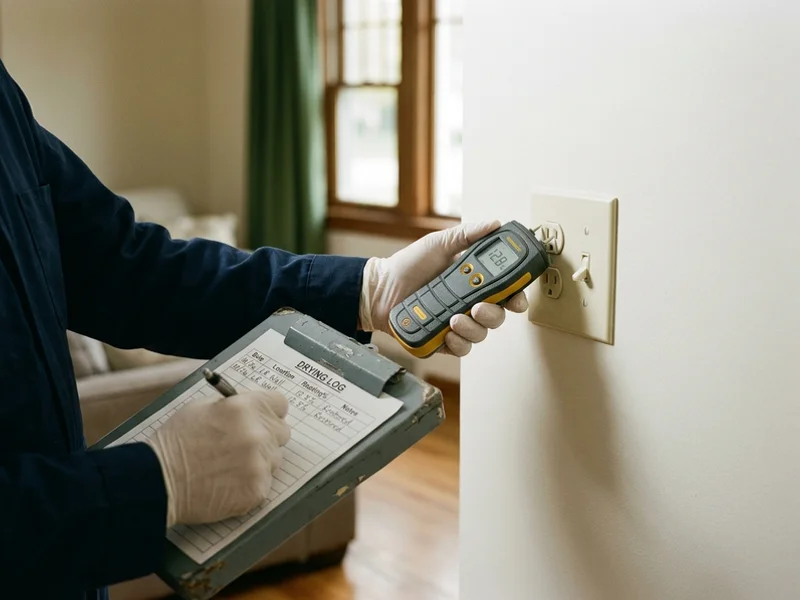
Mapping the invisible moisture boundary comes next, using specialized tools like Protimeter moisture meters and FLIR thermal imaging cameras. We mark where the moisture actually reached inside the walls, rather than just looking at the visible surface puddles.
Our Drying Equipment Arsenal
- Industrial Extractors: Removing the bulk of the standing liquid fast.
- FLIR Thermal Cameras: Finding the hidden moisture trapped inside your walls.
- LGR Dehumidifiers: Pulling up to 50 litres of moisture out of the air daily.
- Centrifugal Air Movers: Forcing dry air across wet surfaces to speed up evaporation.
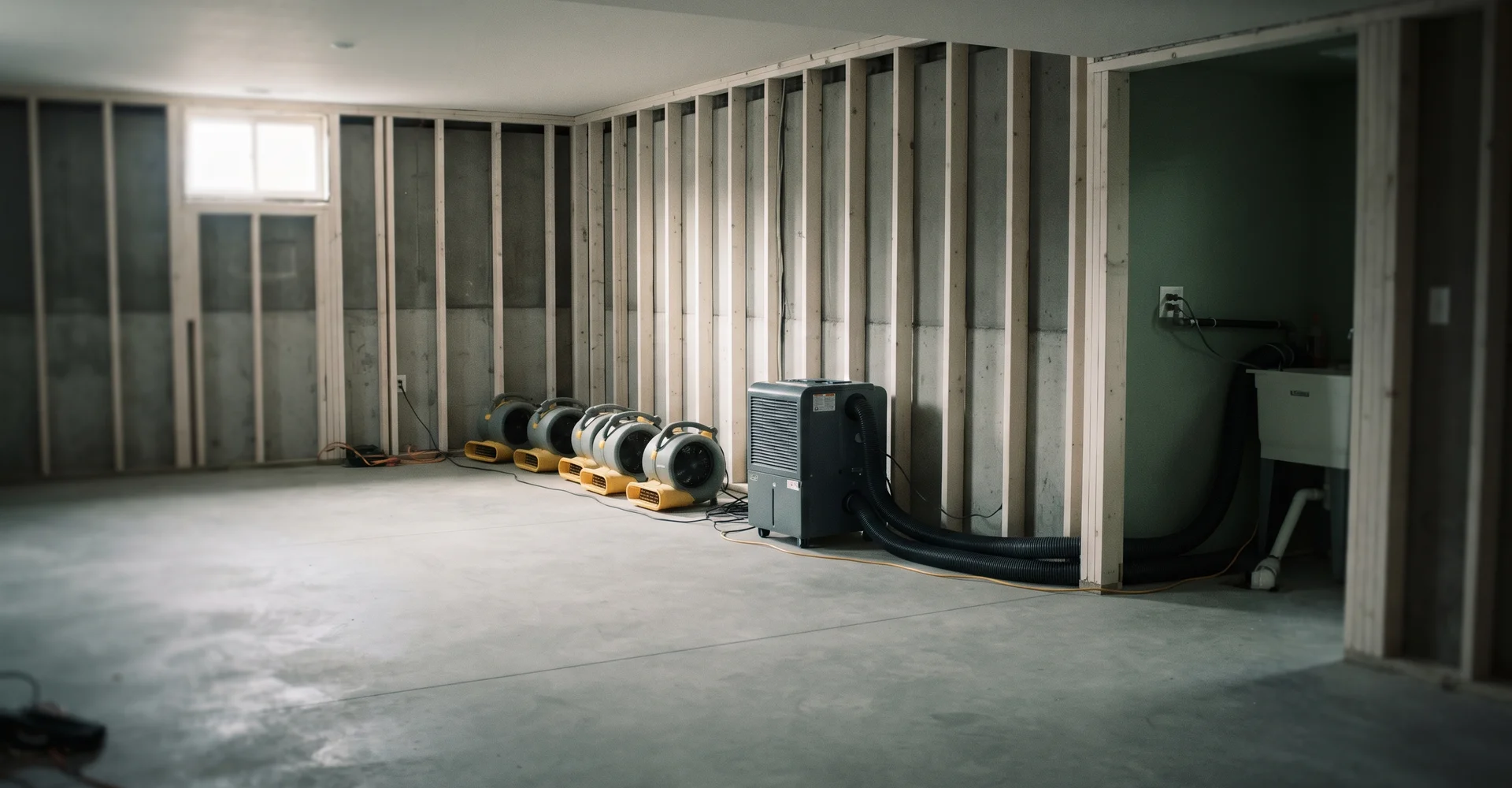
Removing non-restorable porous material is the next necessary step. We then position our commercial dehumidifiers and air movers strategically around the affected room. These powerful machines create the perfect airflow and vapour pressure differential to actively pull trapped moisture out of your building assembly. We know that a rapid drop in humidity is the only way to stop secondary damage.
Keeping an accurate daily log is a crucial part of our routine. We record the temperature, relative humidity, grains per pound, and material moisture content on a psychrometric drying log every single day. The equipment stays running until the readings hit the recognized dry standard for that specific material.
We usually match the dry standard to a completely unaffected reference area in the exact same building, ensuring the framing lumber is safe. This detailed log is also the exact document that satisfies a tough insurance adjuster.
How Does the Insurance Side Work?
Sudden and accidental incidents are normally covered under standard Ontario homeowner policies. Overland flooding and sewer backups usually require specific policy endorsements, which are vital add-ons in this region. We noticed many proactive Ottawa homeowners added these specific riders after recent messy spring melt seasons.
Long-term seepage from deferred maintenance, like an old leaky pipe you ignored, is generally excluded from coverage. We always recommend checking your exact policy limits, because recent 2026 data shows the average Canadian property damage payout for flooding hovers around $11,605.
What We Send Your Adjuster
- Cause and origin notes: Identifying exactly where the leak started.
- Photographic evidence: Before and after pictures of the affected spaces.
- Moisture maps: Thermal imaging proof of the saturation zones.
- Psychrometric logs: Daily humidity and temperature readings.
- Itemized scope: A detailed breakdown of every single repair task.
Direct billing takes a massive weight off your shoulders during a stressful time. We direct-bill most Ontario insurance carriers directly on covered claims to save you the hassle. Preparing the exact documentation package your adjuster expects is a major part of our daily job.
We compile the cause and origin notes, photographic records, FLIR moisture maps, the daily drying log, disposal tickets, and the itemized scope of work. Finding out about coverage gaps after the work starts is a terrible position to be in. We will give you our honest, upfront read at the initial assessment if you have a coverage question.
What About Ottawa Basements Specifically?
The local weather patterns put lower levels at a significantly higher risk. Our emergency calls in Barrhaven, Kanata, Stittsville, Riverside South, and Orléans mostly involve fully finished basements. Saturated drywall extending right down to the concrete slab is a sight we see daily.
We saw the true vulnerability of these areas during the historic Canada Day storm on July 1, 2026. Over 118 millimetres of intense rain dumped on the city, causing more than 6,600 reported basement floods.
Spring melts and intense summer storm surcharges are the two absolute peak periods for local emergencies. We know that sump pump failure during these major weather events is the single most common culprit. A thorough inspection of your backwater valve and pump situation is a standard part of our assessment.
We strongly suggest installing a battery backup system, like a reliable Liberty Pumps unit, before the next storm hits. Preventing the damage in the first place is always the most cost-effective solution. We are always ready to provide elite water damage restoration services, but we would rather help you stay dry.
Call us today to check your setup or handle an active emergency.
Transparent Pricing
How Much Does Water Damage Cost in Ottawa?
Every project is scoped on site and quoted in writing before work starts. These are the ranges most jobs land in.
Isolated damage
Single room, Category 1 clean water, caught early.
Typical range $1,500 to $4,000
- Same-day emergency extraction
- Structural drying and monitoring
- Moisture mapping
- Mould prevention treatment
Multi-room or basement
Finished basement or several affected areas.
Typical range $4,000 to $12,000
- LGR dehumidification
- Non-restorable material removal
- Daily psychrometric logging
- Insurance documentation package
Major flood restoration
Whole-level flooding or extended saturation.
Typical range $12,000 to $25,000
- Large-scale extraction and drying
- Controlled demolition and disposal
- Antimicrobial treatment
- Rebuild preparation
Direct billing available on covered claims with most Ontario carriers.
Assessments are free across Ottawa and Eastern Ontario, and nothing is added to the price mid-job. On covered claims we direct-bill most Ontario insurers.
Talk it through: 613-801-1011Why Choose Us
Why Choose Best Extreme Cleaning for Water Damage?
Same-day response
Water damage is a clock. Mould can establish within 24 to 48 hours, so we prioritize these calls above everything else.
Dried, not just dried-looking
Daily moisture readings and psychrometric logs prove the assembly reached dry standard rather than the surface feeling dry.
One team through mould
If growth has already started, remediation runs under the same file rather than a second contractor and a second delay.
Insurance handled properly
We direct-bill most Ontario carriers and produce documentation adjusters accept without a fight.
Our Process
How Our Water Damage Work Runs
-
Call the moment it happens
Answered 24/7. We will tell you what to shut off and what to move while the crew is being dispatched.
-
Extract and map
Standing water comes out first, then we map how far moisture has travelled using meters and infrared imaging.
-
Dry the structure
LGR dehumidifiers and centrifugal air movers dry the assembly, with daily readings logged rather than assumed.
-
Verify and hand back
We confirm dry standard against readings, treat for mould prevention, and give your insurer the full documentation.
Our Work
Equipment, Method, Result
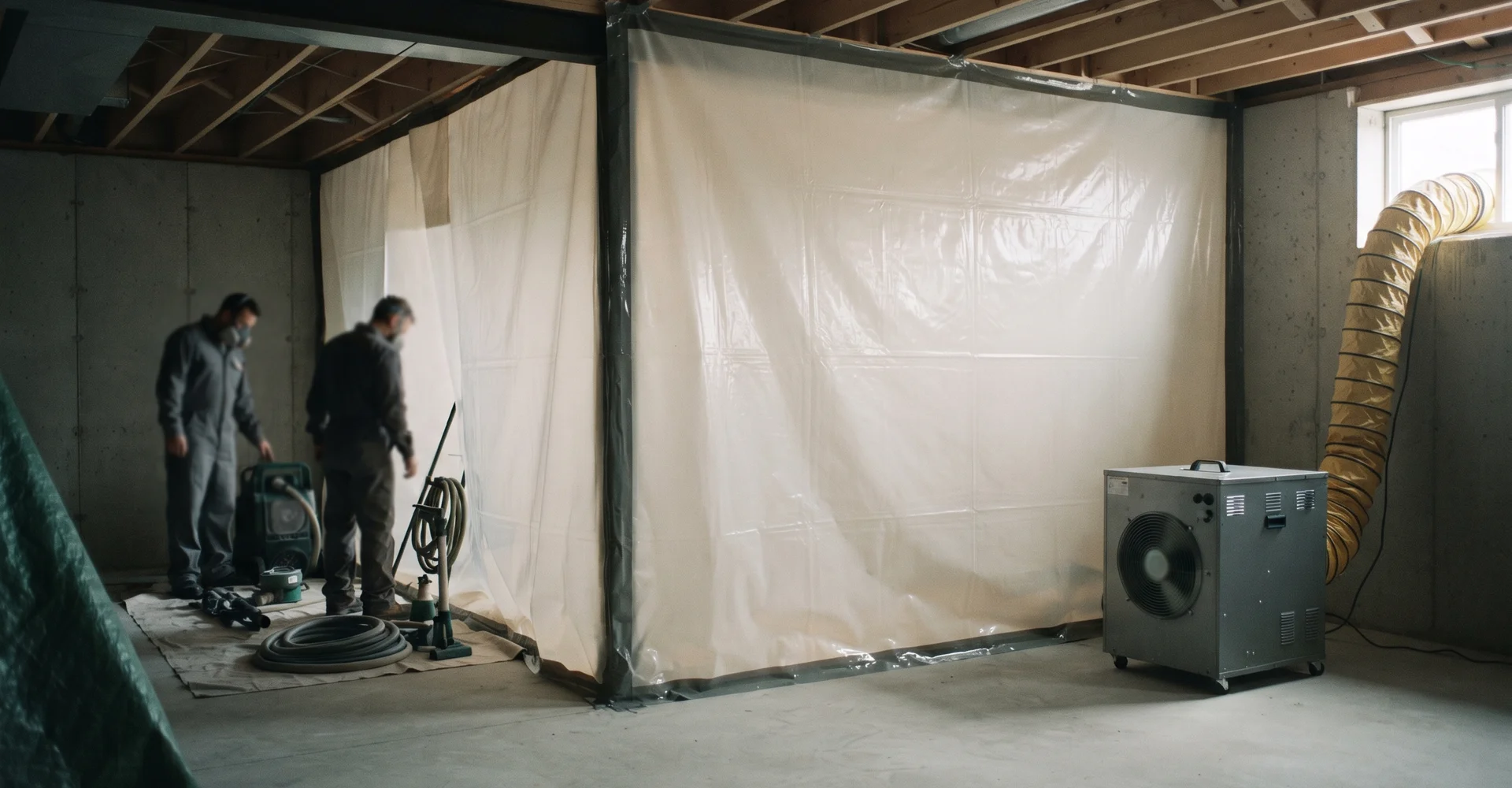
We never publish client scenes. These images show the equipment, the protective standards, and the restored condition we hand back.
How Best Extreme Cleaning Compares
| Feature | Typical provider | Best Extreme Cleaning |
|---|---|---|
| Response | Next available day | 24/7 answering, same-day extraction priority |
| Moisture assessment | Visual and touch | Meters plus FLIR infrared mapping |
| Drying proof | Fans left running | Daily psychrometric logs to dry standard |
| Mould risk | Addressed later by another trade | Prevention treatment and in-house remediation |
| Insurance | You submit and chase | Direct billing plus full documentation package |
Client Experiences
What Customers Say About Our Water Damage Work
Reviews from families, executors, and property managers across the region.
Our basement flooded overnight and they had a crew extracting water the same day. They documented everything for our insurer and prevented a serious mould problem.
They contained it, sanitized everything, and dealt with the insurer for us.
They were here the same day and handled the insurance paperwork with us in French.
Questions
Water Damage FAQs
How fast do I need to act after a flood?
How much does water damage restoration cost in Ottawa?
Will my insurance cover it?
Do I have to tear out my basement?
What is the difference between Category 1, 2, and 3 water?
How long does drying take?
Why do you use infrared imaging?
What happens if mould has already started?
Still have questions?
Nothing you describe will surprise us, and nothing leaves the call. Talk to a real person any hour of the day.
Call 613-801-1011Related Services
Mould Removal & Remediation
Professional containment and removal of mould, with moisture-source identification and post-remediation air quality verification.
View service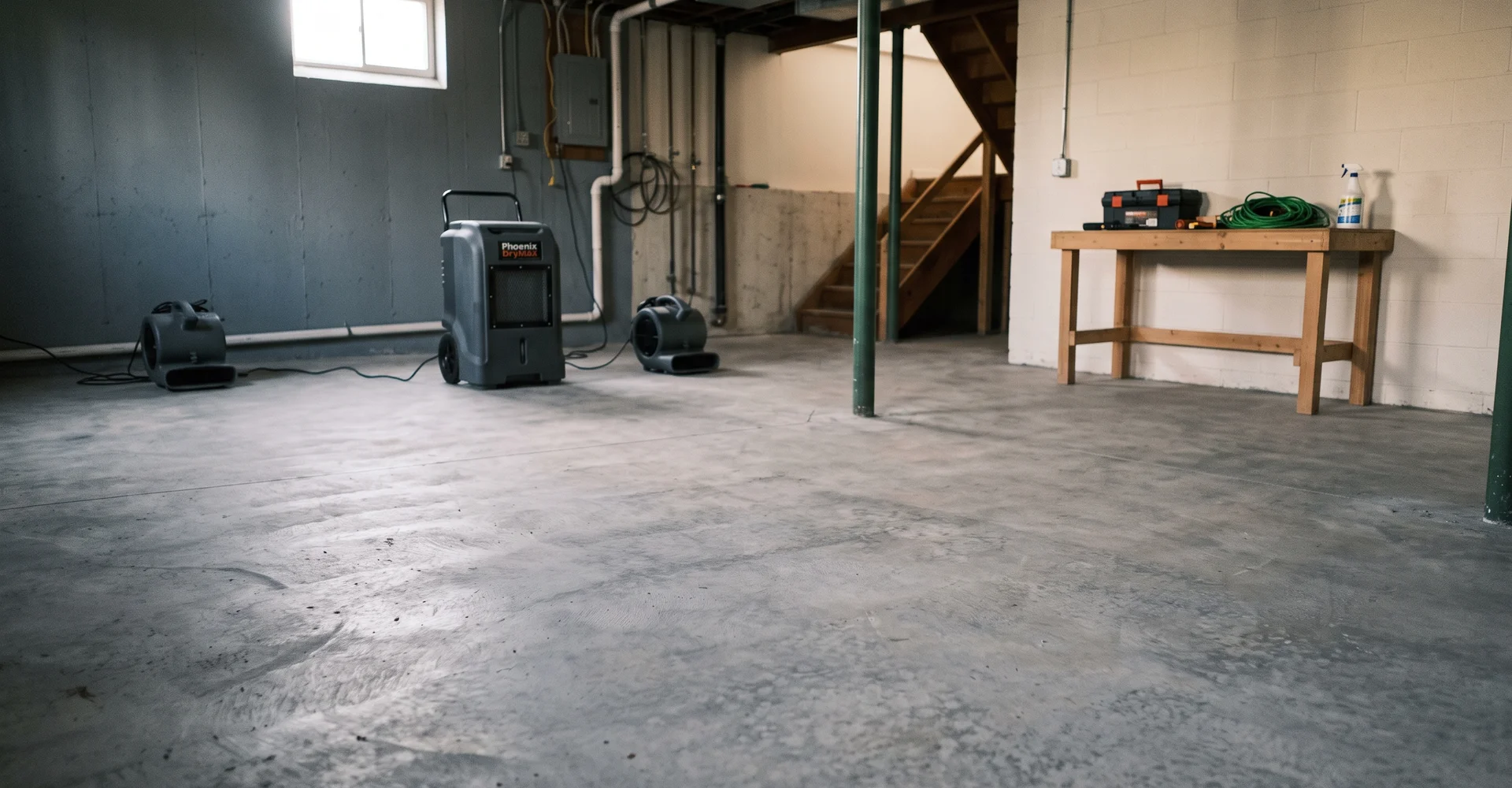
Sewage Backup Cleanup
Emergency cleanup and decontamination after sewage backups, using Category 3 black-water protocol with full sanitization.
View service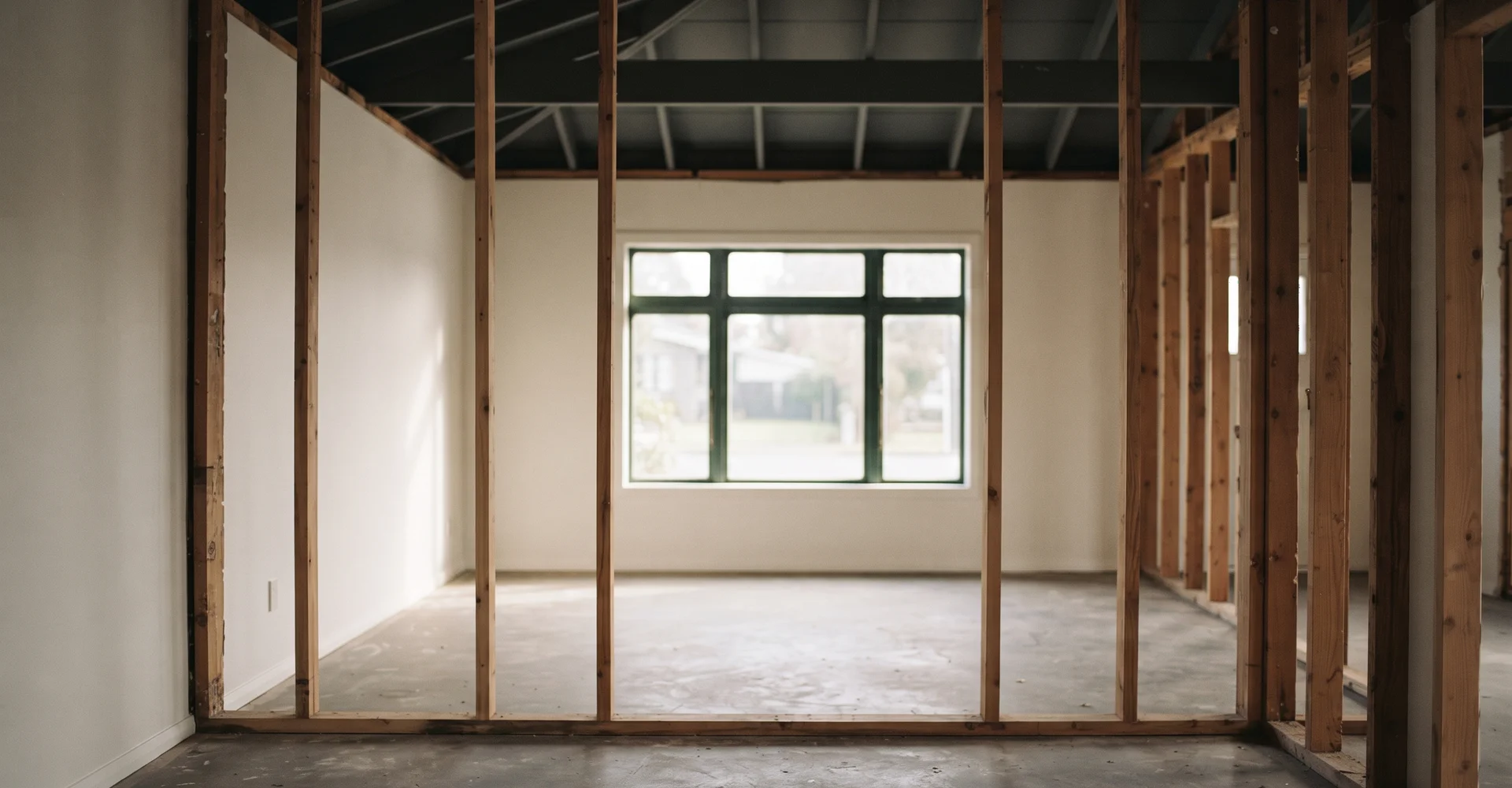
Fire & Smoke Damage Restoration
Full restoration after fire events, including soot removal, structural cleaning, smoke-odour elimination, and contents cleaning.
View service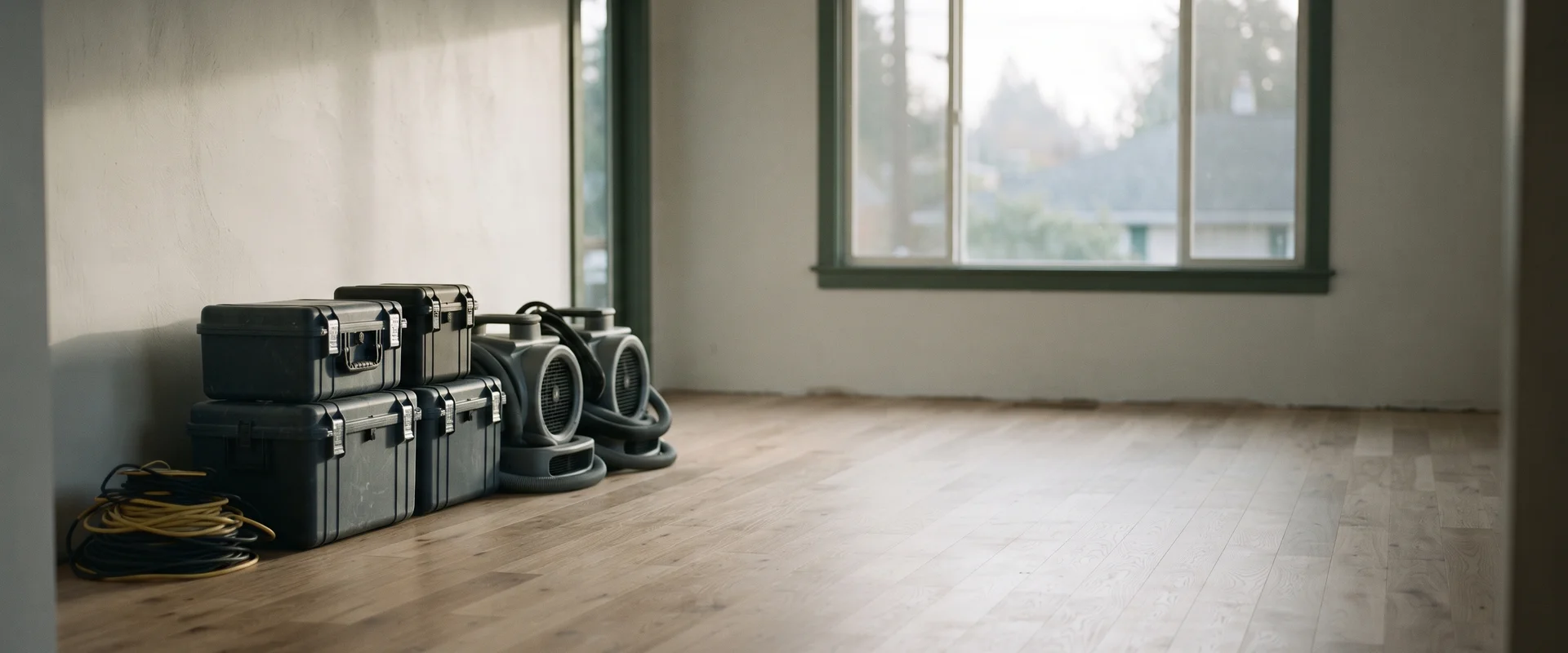
Ready to Talk About Water Damage?
Free assessment, written quote before we start, and an unmarked crew that has done this work many times before.
- Free assessment, written quote
- Unmarked vehicles, neutral uniforms
- Insurance direct billing on covered claims