
Professional Mould Removal & Remediation in Ottawa
Professional containment and removal of mould, with moisture-source identification and post-remediation air quality verification.
- Licensed, insured, WSIB
- Unmarked vehicles
- Phone answered 24/7
Where This Usually Starts
The Problems Behind Every Mould Removal Call
Health symptoms without a clear cause
Allergies, coughing, or breathing trouble can be a sign of hidden mould, but it is not always obvious where it is coming from.
It keeps spreading behind the walls
The mould you can see is often a fraction of what is growing behind drywall, insulation, or flooring.
Worried about resale or disclosure
Undisclosed mould can derail a sale or turn into a legal problem down the road.
What This Service Covers
What Is Mould Removal & Remediation?
We provide professional containment and removal of mould from residential and commercial properties across Ottawa and Eastern Ontario, including moisture source identification, containment barriers, HEPA filtration, safe removal, sanitization, and post-remediation air quality verification.
Ottawa's freeze-thaw cycles and the poor ventilation typical of hoarded or older homes accelerate hidden mould growth. What is visible on a wall is usually a fraction of what is behind it, which is why we assess with moisture meters and thermal imaging rather than guessing from the surface.
Remediation follows IICRC S520 principles. Removing growth without correcting the moisture source guarantees a return visit, so the moisture work comes first in every scope we write.
What's included
- Moisture-source identification
- Containment barriers and HEPA filtration
- Safe removal and sanitization
- Post-remediation air-quality verification (IICRC S520)
- Thermal imaging and hygrometer diagnostics
- Attic, basement, and wall-cavity remediation
Where we do this work
Across every Ottawa district, the Gatineau side, and up to 200 km into Eastern Ontario. Free assessments throughout the coverage area.
See service areasHave you ever scrubbed a dark patch off your wall, only to see it reappear a few months later? It is a frustrating cycle that many property owners face when trying to handle Mould Removal & Remediation on their own.
Our team has seen this happen hundreds of times. The secret to breaking the cycle is understanding that mould is not actually a cleaning problem. It is a moisture problem that just happens to look like a stain.
We will walk you through the exact steps to fix it for good, so grab a cup of coffee and let’s go through it together.
Why Does Mould Keep Coming Back?
Because the water is still there. Removing the growth and leaving the moisture means the exact same wall will look identical in four months.
Our technicians follow the ANSI/IICRC S520 guidelines, which is the recognized Canadian standard for mould remediation. This standard prioritizes finding the source of the water before doing anything else. Health Canada guidelines also stress that fixing the underlying moisture is the only way to prevent future growth.
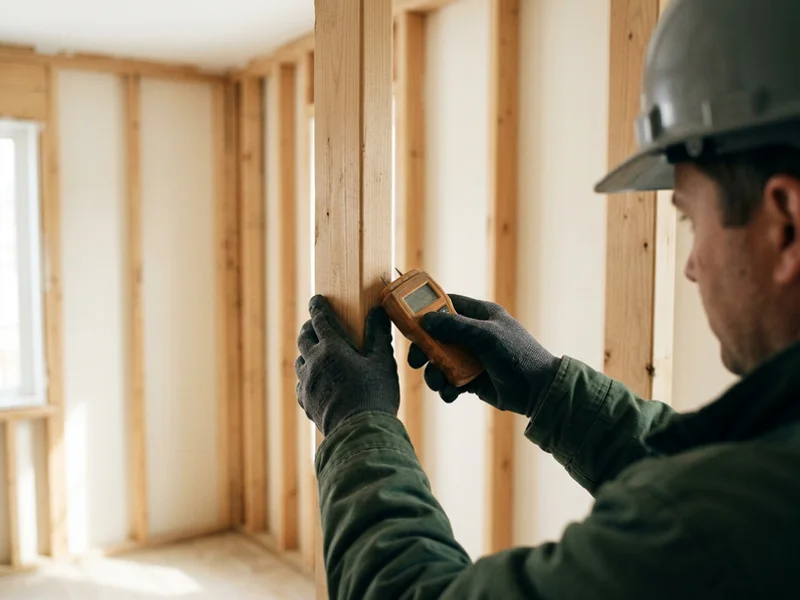
We rely on specialized equipment to locate hidden water sources before providing a quote. This diagnostic process is completely necessary for a lasting fix. Here is what that inspection looks like:
- Pin and pinless moisture meters: These test the affected building assemblies.
- Hygrometer diagnostics: These measure ambient humidity and the dew point.
- Thermal imaging cameras: These trace cool, wet patterns behind finished surfaces.
Once the source is clear, the quote covers both correcting the moisture and remediating the growth. A quote skipping the moisture correction is cheaper for a very bad reason.
What Are We Actually Removing During Mould Removal & Remediation?
Most homes contain a background level of common species like Aspergillus and Penicillium. This is entirely normal and expected. Remediation focuses on elevated growth on building materials and species indicating sustained water issues.
Our process targets specific threats like Stachybotrys chartarum, commonly known as black mould. Finding this particular species tells us the leak has been running for a long time. Prolonged saturation is required for it to thrive.
We use different methods depending on the type of material affected. The approach must match the surface to ensure complete removal. Here is a breakdown of how different materials are treated:
| Material Type | Examples | Remediation Method |
|---|---|---|
| Non-porous | Tile, metal, sealed concrete | Cleaned and treated directly in place. |
| Semi-porous | Wood framing | HEPA vacuumed, treated, and sometimes sanded. |
| Porous | Drywall, insulation, carpet, underlay | Removed entirely, as they are non-restorable once colonised. |
How Does Containment Work?
Containment is the critical step that separates true remediation from simply spreading the problem around your house. Cutting into colonised drywall without proper barriers will push countless spores into your living space.
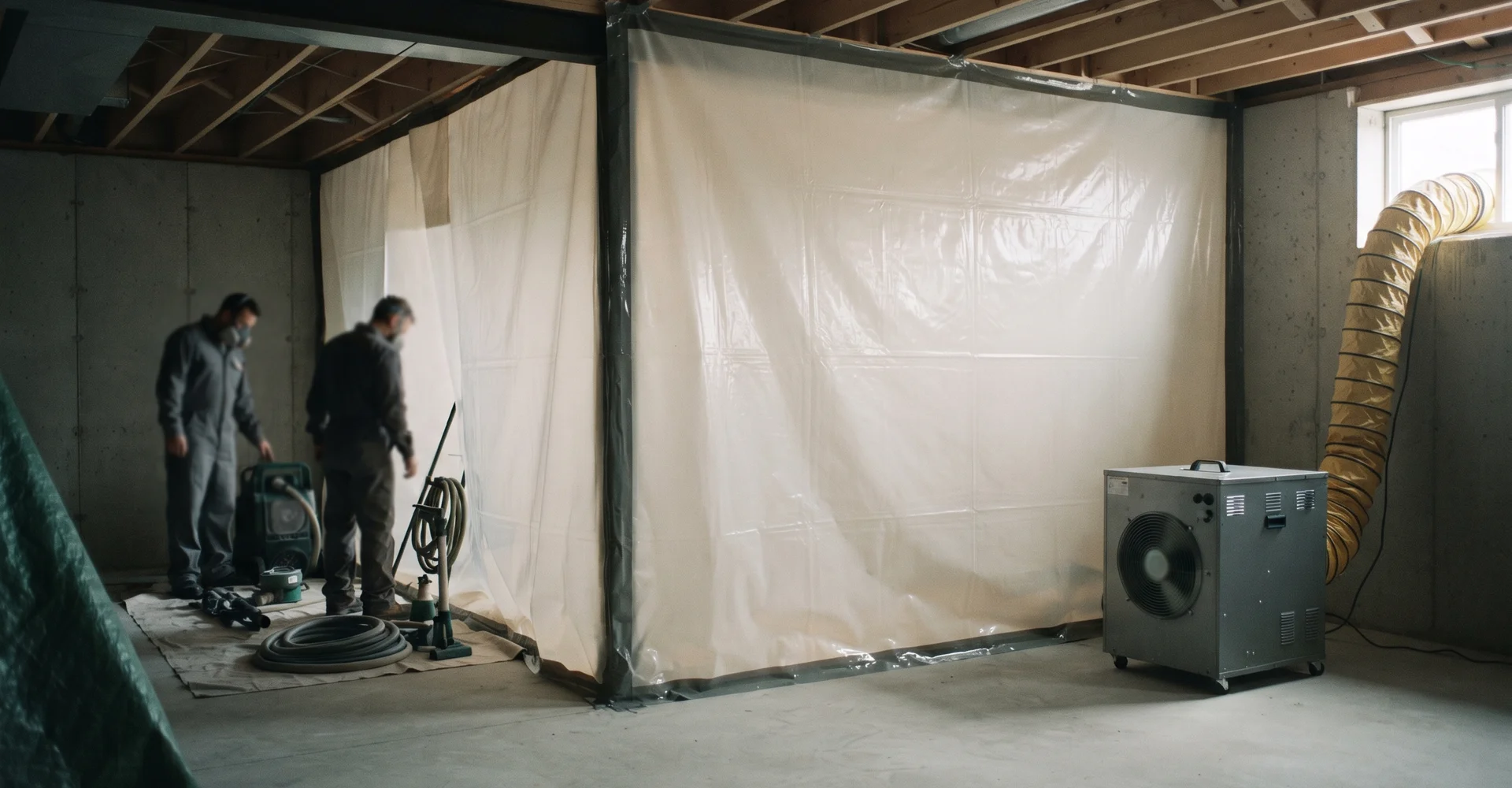
Our crews build critical barriers from 6-mil polyethylene sheeting to seal off the work area. A negative air pressure differential is established inside this zone to keep contaminants locked in. Air always flows into the containment and out through filtration, never the reverse.
We use commercial-grade HEPA 500 air filtration devices to manage this airflow. These powerful units run at 500 cubic feet per minute and capture 99.97% of particles down to 0.3 microns. That specification is crucial for trapping microscopic spores effectively.
Safety and Clearance Protocols
Workers wear respirators and disposable coveralls throughout the entire process. Contaminated material leaves through a sealed exit rather than passing through your clean hallways.
For larger jobs, an Applied Microbial Remediation Technician steps in to plan the containment layout. They calculate the exact number of air changes required before work begins. Establishing a strict clearance protocol ensures the space is safe for your family.
Where Does Mould Show Up in Ottawa Properties?
Four specific locations account for the vast majority of our local service calls. Ottawa winters create unique condensation challenges that property owners need to watch closely.
Our technicians frequently find growth in the following high-risk areas:
Attics
Bathroom fans venting into the attic instead of outside are a major culprit. Blocked soffit intakes and ceiling bypasses also leak warm, humid air upward.
Ottawa winters make the roof deck cold enough to condense that moisture rapidly. By March, there is often significant growth across the north slope of the roof.
Rim Joists and Basement Walls
Warm interior air easily meets cold concrete in these areas. This is especially true where finished basements were built without a proper capillary break. Health Canada guidelines suggest aiming for 30% to 35% relative humidity in Canadian basements during winter to prevent this condensation.
Behind Hoarded Material
Restricted airflow combined with normal household humidity creates a perfect breeding ground. This combination is why so many of our hoarding cleanup files turn into mould files. Stuffing boxes against a cold exterior wall guarantees a problem eventually.
After Water Losses
Any flood, burst pipe, or sewage backup dried inadequately will cause issues. We highly recommend professional extraction for any standing water.
Where the water event is recent, our water damage restoration process addresses drying properly so remediation is never needed. Fast action is the best defence against fungal growth.
How Do You Confirm It Is Actually Gone?
Post-remediation verification is based on hard science, not just a visual opinion. The goal is to prove the environment is restored to normal, healthy conditions.
Our verification process involves taking spore trap air samples inside the remediated area. These indoor counts are then compared directly against an outdoor control sample. Indoor levels should be at or below outdoor levels with a comparable species profile.
We rely on a strict checklist to verify the job is complete:
- Air sampling: Confirming spore counts match the natural outdoor baseline.
- Visual inspection: Ensuring no remaining growth and zero residual dust.
- Moisture readings: Proving the building assembly has completely dried.
If a real estate transaction, lender, or insurer requires independent verification, we can easily arrange third-party clearance testing. Some situations warrant an outside lab rather than certifying the work internally. We will always suggest this option openly rather than waiting for you to ask.
Fixing a moisture problem today saves you from a massive headache tomorrow. The right approach protects your property value and your peace of mind.
We are here to help you get your space back to normal with expert Mould Removal & Remediation. Give our team a call to schedule a professional assessment today.
Transparent Pricing
How Much Does Mould Removal Cost in Ottawa?
Every project is scoped on site and quoted in writing before work starts. These are the ranges most jobs land in.
Isolated growth
Single area under roughly 10 square metres.
Typical range $500 to $3,000
- Moisture source identification
- Containment and HEPA filtration
- Safe removal and sanitization
- Post-remediation verification
Multi-area remediation
Several rooms or a full basement.
Typical range $3,000 to $6,500
- 6-mil critical barriers
- Negative air pressure differential
- Non-restorable material removal
- Spore trap air sampling
Whole property
Widespread growth including attic or wall cavities.
Typical range $6,500 to $10,000
- Whole-property containment plan
- Attic and cavity remediation
- Structural drying to prevent return
- Full clearance documentation
Third-party air clearance testing can be arranged where a buyer, insurer, or lender requires it.
Assessments are free across Ottawa and Eastern Ontario, and nothing is added to the price mid-job. On covered claims we direct-bill most Ontario insurers.
Talk it through: 613-801-1011Why Choose Us
Why Choose Best Extreme Cleaning for Mould Removal?
Moisture first, always
Remediation without fixing the source is a repeat visit waiting to happen. We identify the water before we quote.
Verified clearance
Spore trap sampling gives an objective answer rather than a visual opinion on whether the area is clear.
Ottawa climate knowledge
Freeze-thaw cycles and winter condensation drive local attic and basement growth patterns we see constantly.
Insurance documentation
Where mould follows a covered water loss, we document it to the standard adjusters need.
Our Process
How Our Mould Removal Work Runs
-
Find the water
Mould is a moisture problem. We locate the source with moisture meters, hygrometer readings, and thermal imaging before quoting.
-
Contain
6-mil polyethylene critical barriers and negative air pressure keep spores inside the work zone during removal.
-
Remove and treat
Non-restorable porous material comes out, structural surfaces are HEPA vacuumed and treated, and the area is dried properly.
-
Verify
Spore trap air sampling confirms the space is back to normal fungal ecology before we release the containment.
Our Work
Equipment, Method, Result
We never publish client scenes. These images show the equipment, the protective standards, and the restored condition we hand back.
How Best Extreme Cleaning Compares
| Feature | Typical provider | Best Extreme Cleaning |
|---|---|---|
| Moisture source | Not investigated | Identified with meters and thermal imaging before quoting |
| Containment | Plastic taped over a doorway | 6-mil critical barriers under negative pressure |
| Clearance | Looks clean | Spore trap air sampling |
| Porous material | Cleaned or painted over | Removed where non-restorable |
| Standard followed | None stated | IICRC S520 remediation principles |
Client Experiences
What Customers Say About Our Mould Removal Work
Reviews from families, executors, and property managers across the region.
Our century home had mould behind the plaster. They contained it properly and verified the air afterwards.
They found moisture damage behind the wall that I had no idea was there, and dealt with it properly instead of covering it up.
They documented everything for our insurer and prevented what could have been a serious mould problem.
Questions
Mould Removal FAQs
How much does mould removal cost in Ottawa?
Can I just clean mould myself with bleach?
How do I know if I have hidden mould?
Why is mould so common in Ottawa homes?
Does insurance cover mould remediation?
Do you test the air afterwards?
What about attic mould?
How long does remediation take?
Still have questions?
Nothing you describe will surprise us, and nothing leaves the call. Talk to a real person any hour of the day.
Call 613-801-1011Related Services
Water Damage Restoration
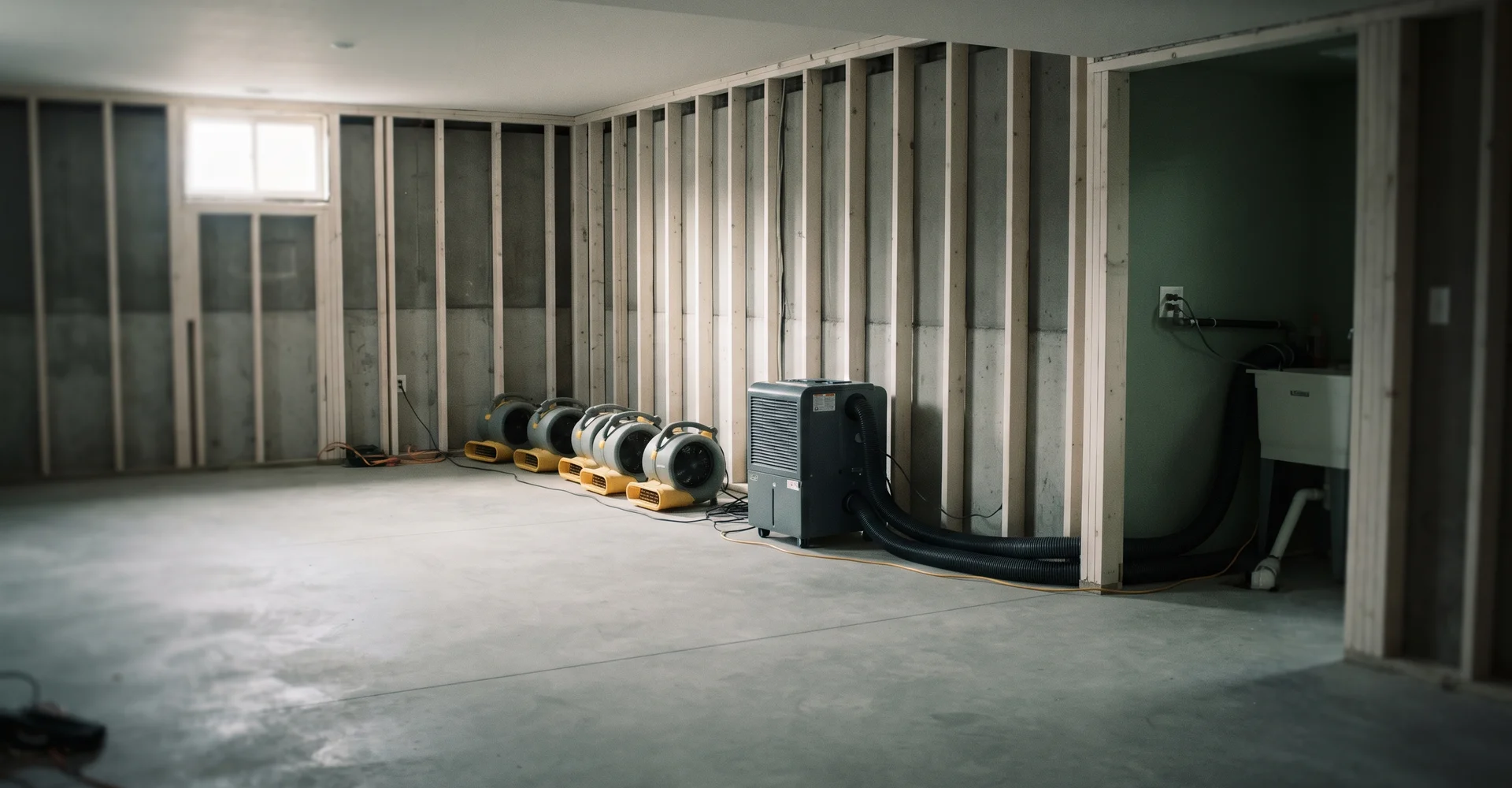
24/7 emergency response for water damage, with extraction, structural drying, dehumidification, and mould prevention.
View service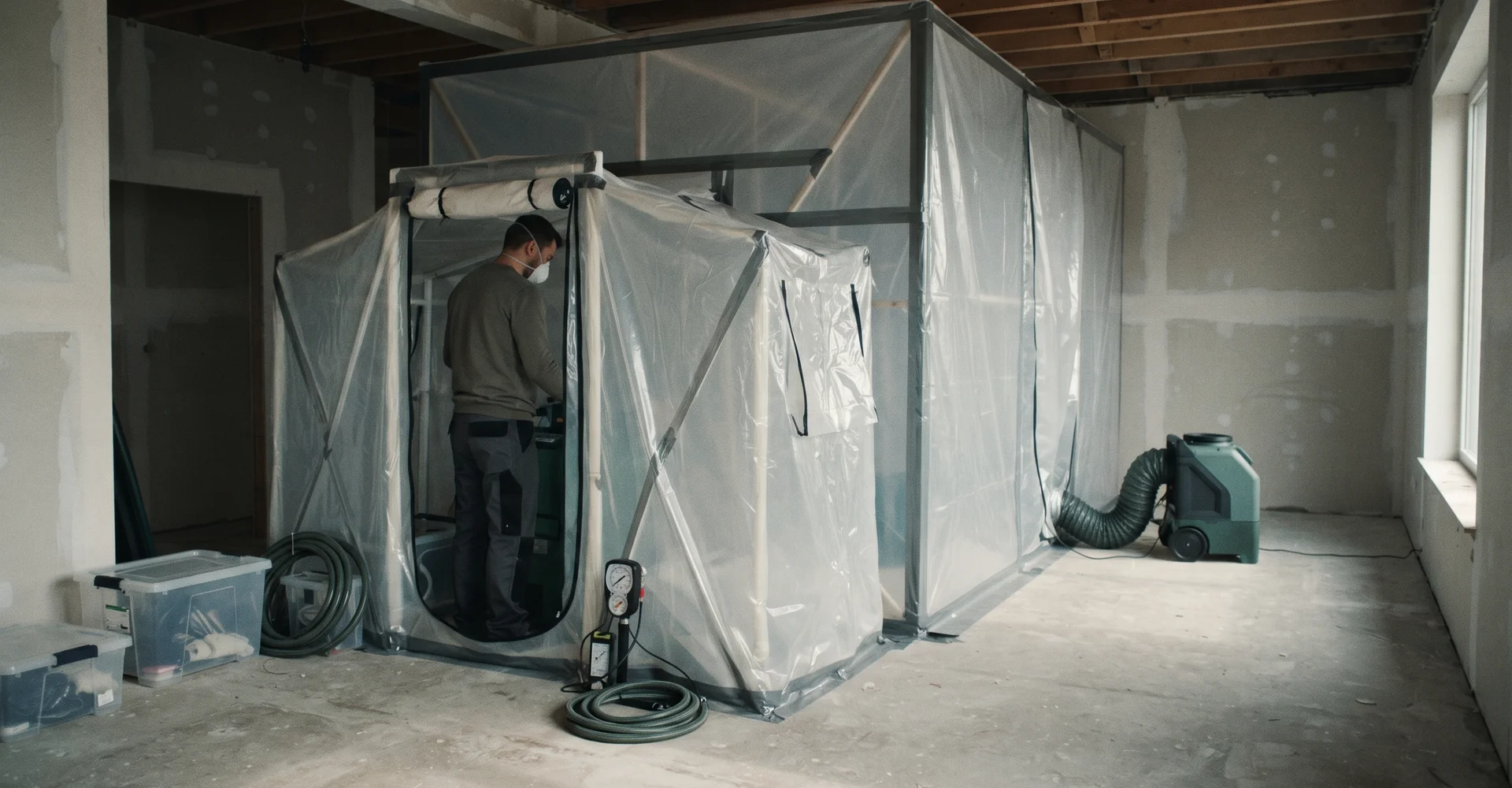
Asbestos Abatement
Safe identification, containment, and removal of asbestos-containing materials, compliant with Ontario regulations.
View service
Squalor Decontamination
Severe-filth cleanup for properties abandoned or neglected to unsafe conditions, with pest and mould coordination.
View service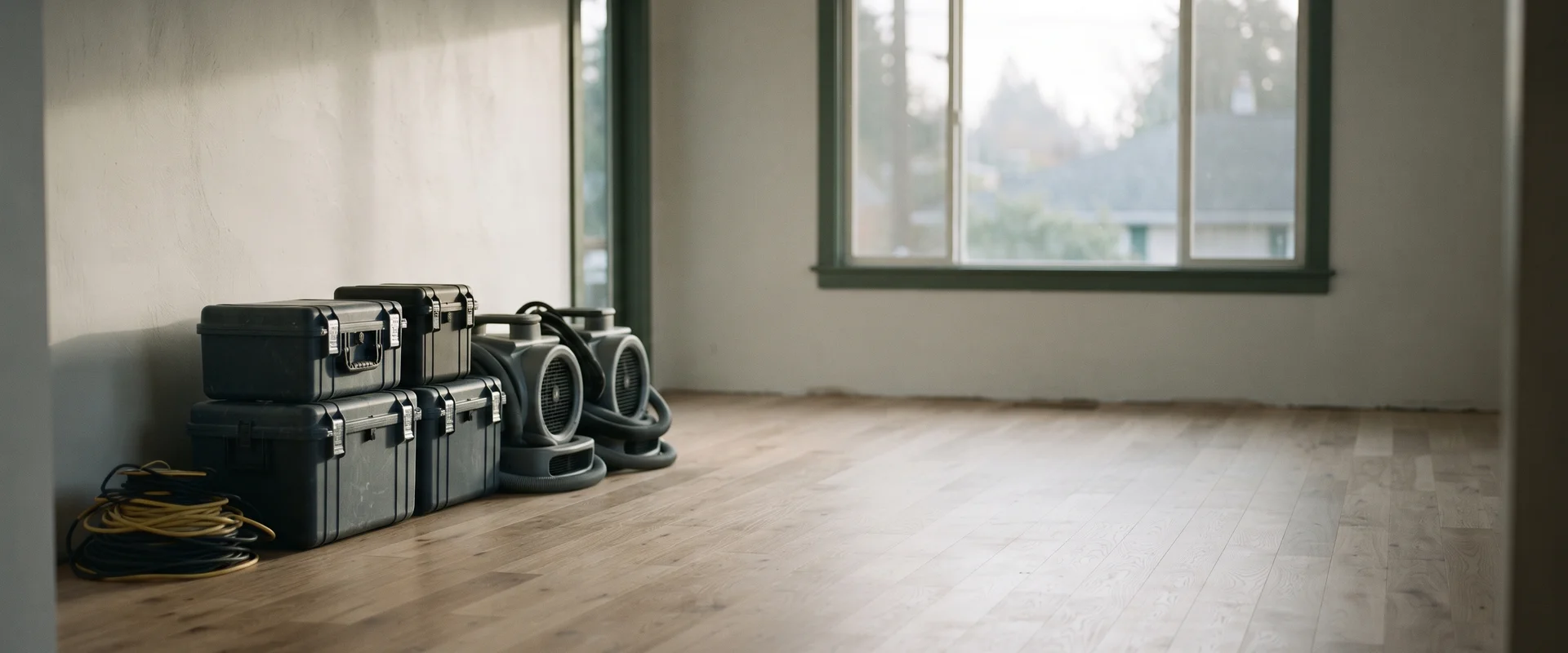
Ready to Talk About Mould Removal?
Free assessment, written quote before we start, and an unmarked crew that has done this work many times before.
- Free assessment, written quote
- Unmarked vehicles, neutral uniforms
- Insurance direct billing on covered claims