
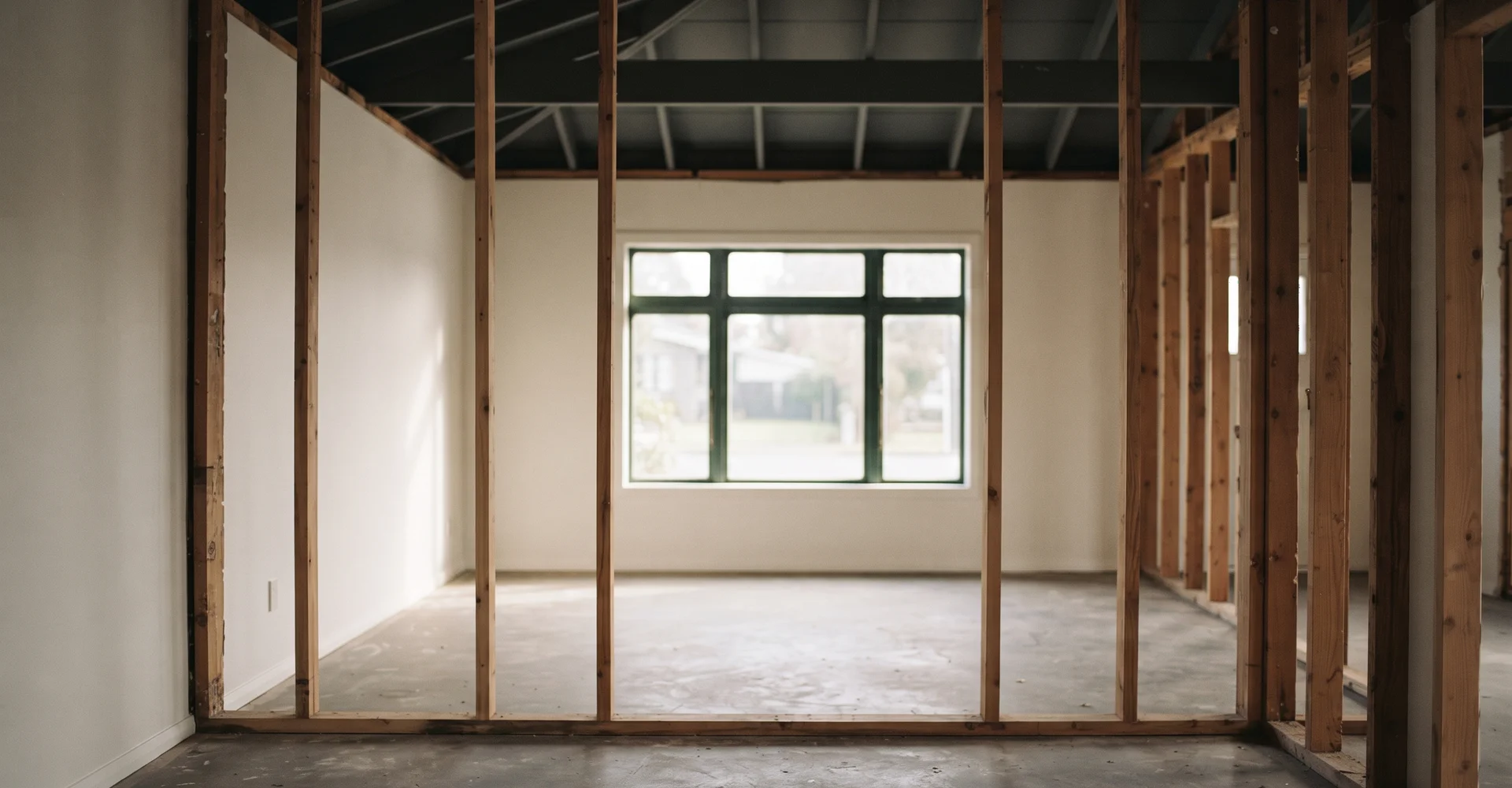
Full Fire & Smoke Damage Restoration in Ottawa
Full restoration after fire events, including soot removal, structural cleaning, smoke-odour elimination, and contents cleaning.
- Licensed, insured, WSIB
- Unmarked vehicles
- Phone answered 24/7
Where This Usually Starts
The Problems Behind Every Fire & Smoke Call
Overwhelming, and hard to know where to start
A fire touches almost everything in a home, the structure, the contents, and the air, and it is hard to tell what is actually salvageable.
Damage is worse than it looks
Soot and smoke travel through HVAC systems and settle in places you cannot see from the doorway.
Coordinating the adjuster and contractors
Juggling an insurance adjuster, a restoration crew, and contents cleaning on top of being displaced is a lot to manage alone.
What This Service Covers
What Is Fire & Smoke Damage Restoration?
We provide full restoration after fire events: soot removal, structural cleaning, smoke-odour elimination, contents cleaning, and coordination with insurance adjusters from first notice through final handback.
Fire damage is rarely just fire damage. Most properties we attend have three overlapping problems: soot and smoke residue, water and chemical residue from suppression, and odour that has moved through the HVAC system into rooms the fire never reached.
We direct-bill on covered claims, estimate in the format carriers expect, and coordinate the full loss scope so families deal with one restoration team rather than four trades and a coordinator.
What's included
- Soot and structural cleaning
- Smoke-odour elimination with hydroxyl treatment
- Contents cleaning and pack-out
- Insurance adjuster coordination and direct billing
- HVAC duct soot decontamination
- Suppression water extraction and drying
Where we do this work
Across every Ottawa district, the Gatineau side, and up to 200 km into Eastern Ontario. Free assessments throughout the coverage area.
See service areasOur team knows exactly how overwhelming a property fire feels. You might be staring at a room that looks completely ruined.
Fire & Smoke Damage Restoration is a major concern for property owners today.
We saw over 900 active wildfires burning simultaneously in Canada by July 2026. Official forestry reports from 2024 also highlighted over 50,000 evacuations. These staggering numbers mean more people desperately need clear answers.
Our experts follow a very structured path to recover your building. You will learn the exact steps needed to save your home.
Let’s go through it together.
What Actually Needs Restoring After a Fire?
Our crews usually tackle three separate problems on a fire loss. Most people only see the first visible issue. You will actually need to handle smoke and water to fully recover the space.
Fire and Soot Damage
We start by addressing the visible charred material and soot deposits. High heat can easily distort metals and melt plastics throughout a room. This visible damage is just the starting point of the cleanup.
Suppression Water Damage
Our teams often find that water saturation causes more widespread issues than the flames. The fire service pumps hundreds of gallons of water into the building. This water saturates flooring, ceilings, and wall assemblies very quickly.
We use specialized tools like the Protimeter MMS3 to map this moisture. A good moisture meter helps contractors find hidden water inside wall cavities. Left untreated, this hidden moisture will quickly turn into a massive mold problem.
Smoke Odour and Residue
Our technicians also have to track down smoke residue that travels far beyond the burn zone. Smoke easily travels through HVAC runs and settles into distant rooms. You might find sticky residue in spaces with no visible fire damage whatsoever.
We cover all three of these problems in our initial scope of work. Restoring one issue and ignoring the others is why some jobs never smell right. This thorough approach makes your insurance estimate accurate right from the start.
Why Does Soot Need Different Cleaning Methods?
Our specialists know that soot is never just one simple substance. Matching the cleaning method to the residue type determines if a surface cleans up or stains forever. You can easily ruin a finish by using the wrong chemical.
We identify the exact residue type during our first assessment. Property fires usually leave behind one of three distinct types of soot. The table below shows exactly how these require different approaches.
| Soot Type | Source | Cleaning Method |
|---|---|---|
| Protein Residue | Kitchen fires (cooking oils, meats) | Solvent-based degreasers |
| Wet Smoke | Slow smoldering fires (plastics, rubber) | Mechanical agitation with solvents |
| Dry Soot | Fast, high-heat fires (wood, paper) | Dry vulcanized rubber sponges |
Our cleaning protocols change completely based on these findings. Protein residue from kitchen fires is greasy, nearly invisible, and intensely odorous. This sticky film requires high-pH cleaners like Benefect Atomic Degreaser to break down the oils.
We follow strict rules based on these chemical differences:
- Protein Soot: Requires solvent degreasers because plain water simply spreads the grease.
- Wet Smoke: Needs mechanical agitation with solvents to prevent grinding the residue into the finish.
- Dry Soot: Demands completely dry removal first using specialized vulcanized rubber sponges.
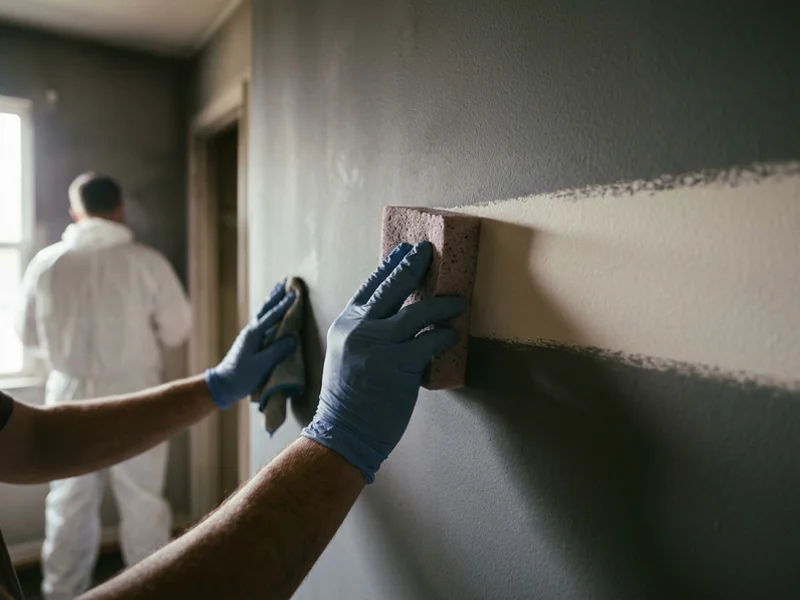
Our crews use dry chemical sponges made of vulcanized natural rubber, like Absorene, for powdery soot. These specialized sponges lift the powder off the walls without smearing it. Using a damp cloth on dry soot turns a removable deposit into a permanent stain.
We clean your property surface by surface using these specific rules. Different rooms in the same building often have entirely different soot profiles. A targeted approach protects your belongings and your walls.
What Happens to the Contents?
Our priority is to inventory your items, not bulldoze them. Contents handling runs right alongside the structural repair work. You do not have to lose everything just because it smells like smoke.
We use advanced technology to restore different categories of belongings:
- Hard Goods: Ultrasonic immersion uses 20-40 kHz sound waves to clean metal, glass, ceramics, and electronics.
- Soft Goods: The Canadian-invented Esporta Wash System safely restores over 90% of textiles and kills 99.99% of bacteria.
- Delicate Items: Documents, photographs, and delicate clothing can often be recovered using specialized techniques.
- Non-Restorable Items: Heavily charred porous items, mattresses, and all open food are safely documented for disposal.
Our crews can pack out your restorable contents to a secure storage facility. This keeps your belongings safe if the property cannot be occupied during the repairs. Your clean items simply return at handback once the house is ready.
How Do You Get Rid of the Smell for Good?
Our odour removal process works in four strict stages. You must follow this exact order to succeed. Skipping steps will leave a lingering smell for years.
1. Remove the Source
We always start by physically removing the source of the smell. Charred drywall and ruined wood keep releasing odours indefinitely. No amount of spray will cover up a burnt framing stud.
2. Decontaminate the HVAC System
Our technicians then decontaminate the entire HVAC system. Ductwork holds heavy soot that will redistribute the moment your furnace runs. This step protects the clean air in the rest of your home.
3. Oxidize Airborne Compounds
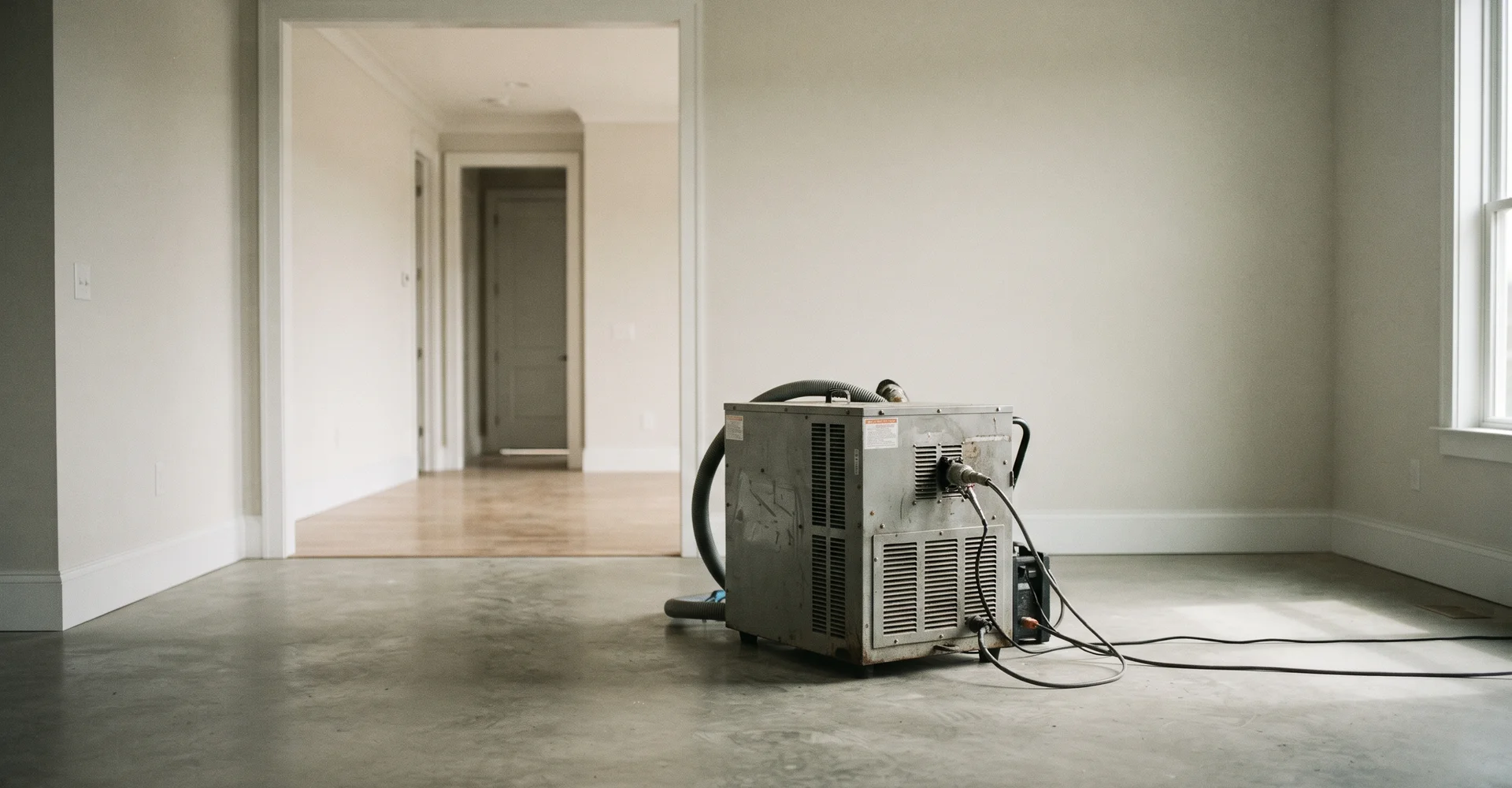
We oxidize the residual airborne compounds next. Industrial air scrubbers and hydroxyl generators run continuously during our odour removal process. A professional unit like the Odorox Boss hydroxyl generator safely neutralizes odor molecules in the air.
4. Seal the Framing
Our final step involves sealing the framing and subfloor. Residue often penetrates deeply into porous wood grain. A premium shellac encapsulant, like Zinsser B-I-N primer, traps these stubborn smells forever.
We find that skipping this sealing step causes major problems down the road. A rebuilt room might smell perfectly fine in July. That same room will smell like a campfire in November when the heating season drives vapor out of the framing.
How Does the Insurance Process Run?
Our office works directly with insurance carriers every single day. Fire is a standard covered peril on Ontario homeowner and commercial policies. The Insurance Bureau of Canada guidelines clearly outline coverage for smoke, suppression water, and living expenses.
We prepare all our scopes in the exact estimating format that carriers require. Adjusters usually request line items generated by Xactimate software. This industry-standard program uses geo-coded price lists to ensure accurate material costs for your specific Canadian province.
Our team direct-bills the carrier on covered claims to provide three major benefits:
- Financial Relief: You are not fronting tens of thousands of dollars out of pocket.
- Simplified Communication: The adjuster deals with one contractor for the full scope of work.
- Consolidated Billing: You avoid the headache of reconciling separate estimates from different trades.
We also handle secondary water damage directly under the same claim file. Suppression water sometimes starts producing secondary growth before the rebuild begins. Any required mould remediation simply runs alongside the structural work.
Our safety protocols also require checks for hazardous materials on older properties. Buildings predating the mid-1980s need testing before demolition starts. This asbestos hazard is safely managed under our standard asbestos abatement process.
We will stand by your side from the first board-up to the final coat of paint. Proper Fire & Smoke Damage Restoration gives you your peace of mind back.
Call us today to schedule your site assessment.
Transparent Pricing
How Much Does Fire & Smoke Cost in Ottawa?
Every project is scoped on site and quoted in writing before work starts. These are the ranges most jobs land in.
Smoke and soot only
Contained fire, smoke spread without structural loss.
Typical range $2,500 to $8,000
- Soot removal from surfaces
- HVAC duct decontamination
- Hydroxyl odour treatment
- Contents cleaning
Room to floor loss
Structural damage in one area plus wide smoke spread.
Typical range $8,000 to $18,000
- Controlled demolition and disposal
- Suppression water drying
- Shellac encapsulant sealing
- Adjuster coordination
Major fire loss
Multi-room or whole-property damage.
Typical range $18,000 to $30,000
- Full pack-out and contents inventory
- Structural cleaning and sealing
- Whole-property odour programme
- Rebuild preparation
Most fire losses are insured. We direct-bill covered claims and estimate in the format carriers expect.
Assessments are free across Ottawa and Eastern Ontario, and nothing is added to the price mid-job. On covered claims we direct-bill most Ontario insurers.
Talk it through: 613-801-1011Why Choose Us
Why Choose Best Extreme Cleaning for Fire & Smoke?
The whole loss, one team
Water, soot, odour, contents, and mould risk handled under one scope instead of four contractors blaming each other.
Residue-specific cleaning
Protein smoke, wet smoke, and dry soot need different methods. Using the wrong one drives residue into the surface.
Odour treated at source
Duct decontamination, hydroxyl treatment, and encapsulant sealing, not an air freshener and a hopeful handshake.
Adjuster-ready estimating
Scopes are prepared in the format carriers expect, which speeds approval and reduces disputes.
Our Process
How Our Fire & Smoke Work Runs
-
Secure and assess
We attend once the fire service releases the property, document the loss scope, and address anything still causing damage.
-
Water and demolition
Suppression water is extracted and the structure dried, then non-restorable material is removed under controlled demolition.
-
Clean and deodorise
Soot is removed by residue type, ducts are decontaminated, contents are cleaned, and odour is treated with hydroxyl.
-
Seal and prepare
Shellac encapsulants lock residual odour into framing, and the property is prepared for rebuild.
Our Work
Equipment, Method, Result
We never publish client scenes. These images show the equipment, the protective standards, and the restored condition we hand back.
How Best Extreme Cleaning Compares
| Feature | Typical provider | Best Extreme Cleaning |
|---|---|---|
| Scope | Cleaning only | Water, soot, odour, contents, and rebuild prep |
| Soot method | One method for everything | Matched to protein, wet smoke, or dry soot residue |
| HVAC | Ignored | Duct decontamination as standard |
| Odour | Deodoriser | Hydroxyl treatment plus shellac encapsulant sealing |
| Insurance | You coordinate | Direct billing and adjuster coordination |
Client Experiences
What Customers Say About Our Fire & Smoke Work
Reviews from families, executors, and property managers across the region.
They coordinated the whole loss with our carrier and there was no friction at any point.
They came out, quoted it honestly, and did the whole job rather than passing pieces to other trades.
Straightforward quote, unmarked van, and the work was finished on schedule.
Questions
Fire & Smoke FAQs
How much does fire damage restoration cost in Ottawa?
When can restoration start after a fire?
Why does the smoke smell reach rooms the fire never touched?
What is the difference between protein smoke, wet smoke, and dry soot?
Can my belongings be saved?
Does insurance cover fire restoration?
Do you handle the water damage from the fire hoses?
How long does the full restoration take?
Still have questions?
Nothing you describe will surprise us, and nothing leaves the call. Talk to a real person any hour of the day.
Call 613-801-1011Related Services
Odour Removal
Molecular odour elimination for biological, smoke, urine, and decomposition odours using hydroxyl generators and ozone.
View service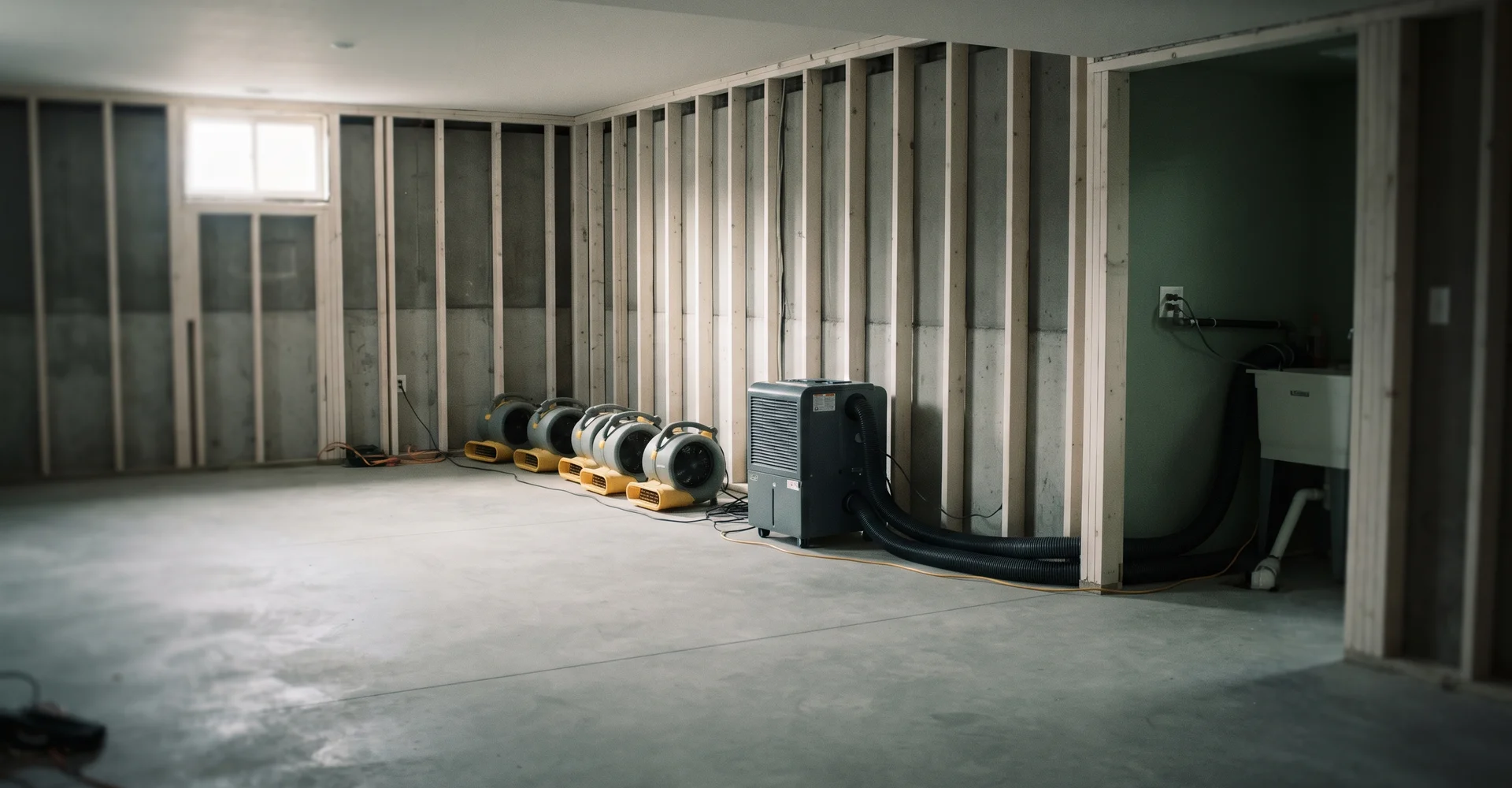
Water Damage Restoration
24/7 emergency response for water damage, with extraction, structural drying, dehumidification, and mould prevention.
View service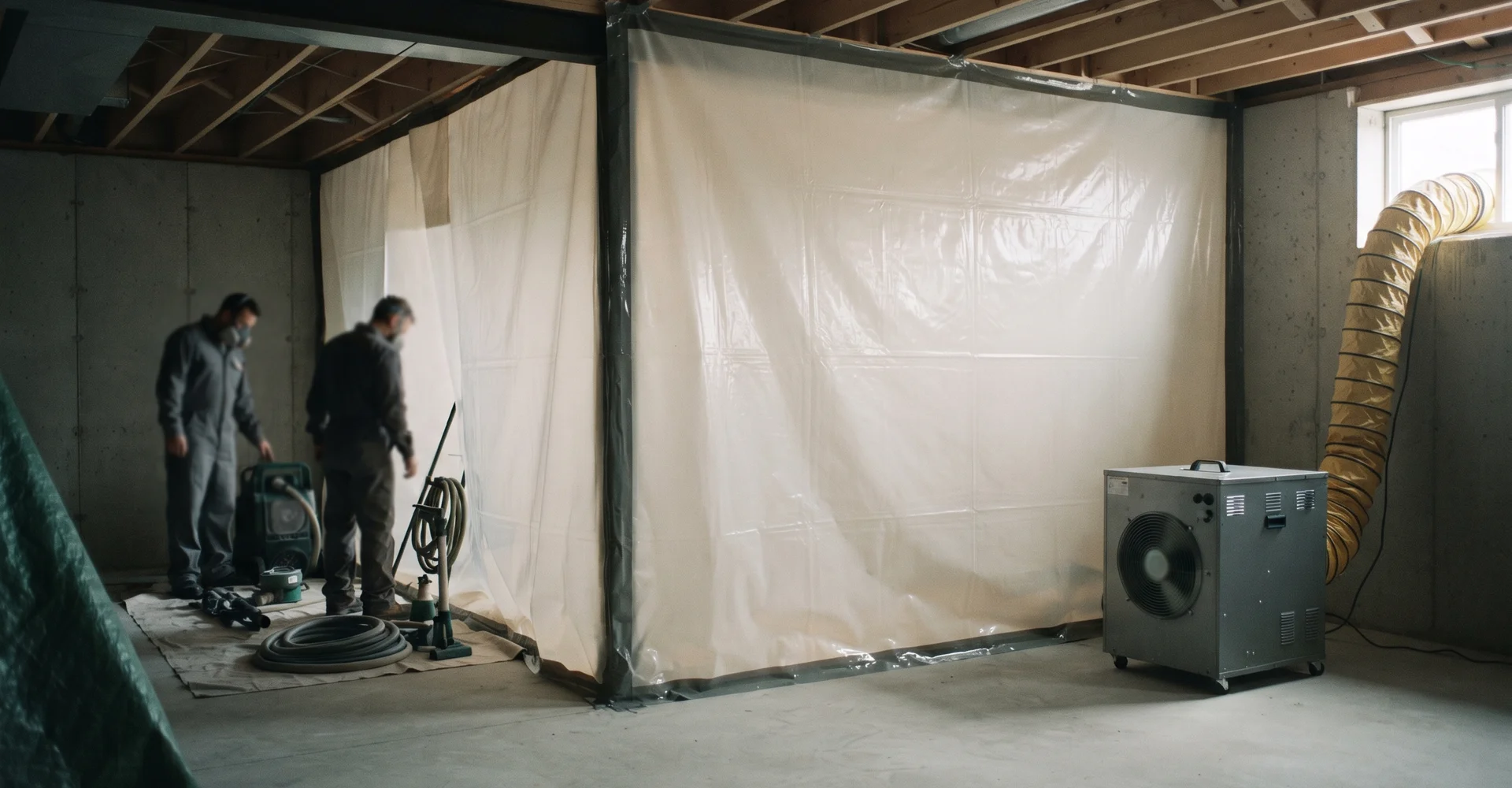
Mould Removal & Remediation
Professional containment and removal of mould, with moisture-source identification and post-remediation air quality verification.
View service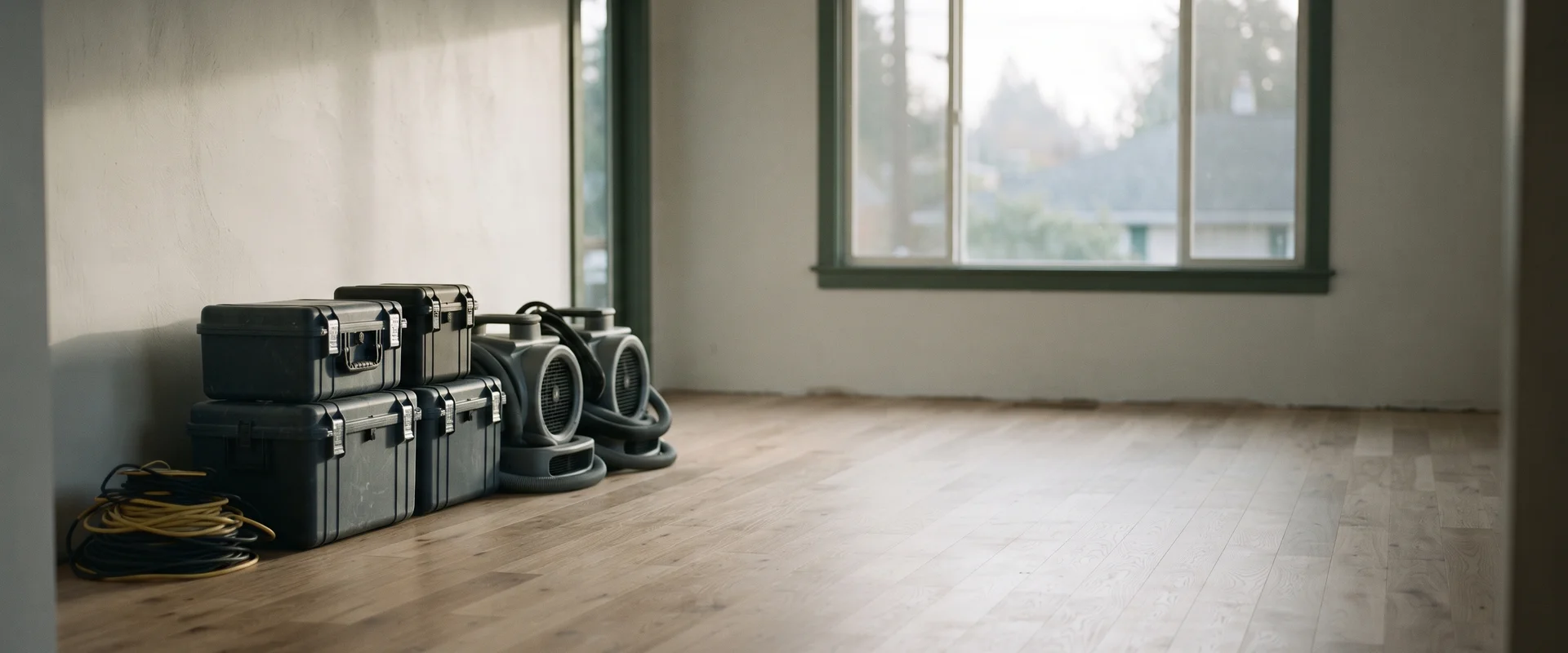
Ready to Talk About Fire & Smoke?
Free assessment, written quote before we start, and an unmarked crew that has done this work many times before.
- Free assessment, written quote
- Unmarked vehicles, neutral uniforms
- Insurance direct billing on covered claims