
Severe-Filth Squalor Decontamination Across Ottawa
Severe-filth cleanup for properties abandoned or neglected to unsafe conditions, with pest and mould coordination.
- Licensed, insured, WSIB
- Unmarked vehicles
- Phone answered 24/7
Where This Usually Starts
The Problems Behind Every Squalor Cleanup Call
The property feels unsafe to enter
Severe filth conditions can mean ammonia buildup, decaying waste, and structural risk that make walking in feel dangerous.
Pests and mould hide underneath
Neglect this deep usually means an infestation or a hidden mould problem is waiting under the surface mess.
Dignity matters through the process
Families and landlords want the property fixed without shaming the person who lived there.
What This Service Covers
What Is Squalor Decontamination?
We handle severe-filth cleanup for properties that have been abandoned or neglected to unsafe conditions, including pest remediation coordination, full sanitization, and mould assessment.
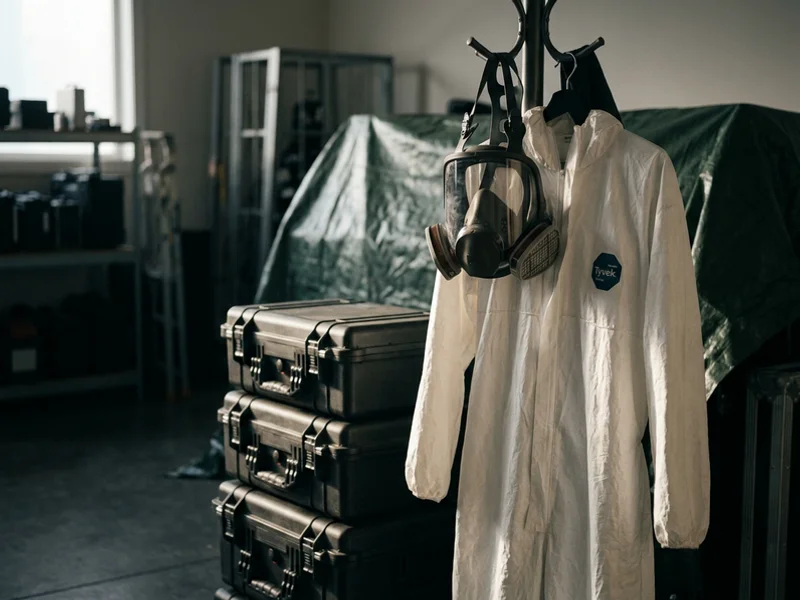
Squalor is a health-risk environment rather than a dirty house. Ammonia concentrations from decaying organic waste and animal urine can exceed safe exposure limits in enclosed rooms, so our crews work in full-face P100 respirators and Tyvek chemical protective coveralls from the moment they enter.
We restore the property to Ontario health-code standards and tell you plainly what is restorable and what is not. Landlords, families, housing providers, and agencies all use this service, and every job is quoted in writing before it begins.
What's included
- Severe-filth and gross-filth cleanup
- Pest remediation coordination
- Sanitization and mould assessment
- Discreet dispatch for landlords, families, and agencies
- Ammonia and air-quality assessment before entry
- Category 3 biological remediation protocols
Where we do this work
Across every Ottawa district, the Gatineau side, and up to 200 km into Eastern Ontario. Free assessments throughout the coverage area.
See service areasHave you ever opened a door and immediately realized a simple cleaning job was not going to be enough?
That sinking feeling is completely understandable. We step into these extreme squalor decontamination situations every single week to help homeowners and property managers reclaim their spaces. I am going to walk you through the exact steps involved, and I think you will find the process very manageable.
Grab a cup of coffee. Let’s look at exactly how a professional team handles this challenge.
What Does Gross Filth Classification Mean?
The term “gross filth” applies to conditions that have moved far past a standard deep clean. This classification involves accumulated human or animal waste, decaying organic material, active pest infestations, or air quality that presents a genuine health risk. We strictly follow the ANSI/IICRC S540 Standard for Trauma and Crime Scene Cleanup to tackle these extreme environments safely. A regular cleaning company usually just brings cloths and a vacuum.
That approach is how people get seriously hurt in a hazardous space. Our decontamination crew arrives with air-quality monitors, negative-pressure containment systems, full-face respirators, and a certified disposal manifest. This completely changes the entire method of approaching the property.
| Feature | Standard Cleaning | Gross Filth Decontamination |
|---|---|---|
| Equipment | Cloths and standard vacuums | HEPA filtration and negative-pressure containment |
| Protection | Basic gloves | P100 respirators and Tyvek suits |
| Process | Surface wiping | ANSI/IICRC S540 Standard protocols |
Why Do Properties End Up This Way?
People rarely let a property reach this state out of pure laziness. The most common causes include severe self-neglect associated with Diogenes syndrome, sudden physical decline in someone living alone, addiction, or an abandoned tenancy. We often see the direct impact of these crises, especially given that the Centre for Addiction and Mental Health (CAMH) highlights how hoarding disorder often intersects with deep-rooted psychological struggles. In Ontario alone, reports from 2025 indicated that nearly 85,000 people experienced homelessness, which frequently overlaps with these same challenges.
Property owners also face major legal delays that make the situation worse. Our crews understand that months of legal waiting can allow a unit to deteriorate rapidly. The Ontario Landlord and Tenant Board (LTB) requires substantial documented evidence under the Residential Tenancies Act before processing an eviction. Nobody who calls about a property in this condition needs a lecture. They simply need a crew that will attend promptly, quote honestly, and get the job done.
Common situations that require professional intervention include:
- Sudden physical decline or hospitalization of a tenant living alone.
- Severe mental health crises, including untreated hoarding disorder.
- Mid-tenancy abandonment where waste is left for weeks.
- Prolonged legal delays during the eviction process.
What Are the Actual Hazards?
These environments pose four serious risks that are far more dangerous than most people assume.
Ammonia Gas Exposure
Decomposing urine and organic waste release concentrated ammonia gas into enclosed rooms. The Canadian Centre for Occupational Health and Safety (CCOHS) sets the Short-Term Exposure Limit for ammonia at 35 ppm. We frequently measure toxicity levels that easily exceed these limits and can cause respiratory injury within minutes of unprotected exposure. This is exactly why an air quality assessment happens before anyone enters.
”Ammonia exposure beyond 35 ppm creates an immediate respiratory hazard, requiring specialized filtration and monitoring before entry.”
Bio-Aerosols and Hantavirus
Disturbing dried animal waste sends dangerous particles airborne. Health Canada strongly warns against dry sweeping mouse droppings due to the severe risk of Hantavirus Pulmonary Syndrome. Our protocols specifically target these airborne threats to keep everyone safe. Containment and proper filtration stop these bio-aerosols from spreading into hallways or neighbouring units.
Squalor Decontamination and Structural Hazards
Needles, blades, and broken glass hide under material in almost every single job of this type. Long-term moisture trapped under waste also creates severe rot and mould. We routinely find that floors in badly affected rooms become genuinely unsafe to walk on. This structural damage requires careful movement and inspection.
How Does the Decontamination Run?
Safety gear is the first critical step for any response team. Crews enter wearing Tyvek chemical protective coveralls and full-face air-purifying respirators equipped with P100 filters. We place the entire affected area under negative pressure using HEPA filtration, which traps 99.97% of harmful particles. Waste and non-restorable material comes out first.
Every item is manifested for licensed disposal and is never left curbside. Our team treats all hard surfaces with Health Canada-approved quaternary ammonium compounds, like benzalkonium chloride, under Category 3 biological remediation protocols. These hospital-grade disinfectants require a strict 10-minute dwell time rather than just a quick wipe. Once the property is visually clean, the true assessment begins to see what the contamination was hiding.
Our biological remediation process follows these strict phases:
- Establishing negative-pressure containment to protect the rest of the building.
- Removing all non-restorable waste for licensed, off-site disposal.
- Applying Category 3 disinfectants with required 10-minute dwell times.
- Testing subfloors and wall cavities for hidden contamination.
We usually check for mould behind baseboards and under flooring. Technicians also look for pest contamination that requires specific animal waste cleanup protocols. Testing the subfloor for deeply penetrated odours completes the process.
What Do Landlords and Agencies Get?
A successful job ends with a comprehensive written turnover report provided alongside the physical work. This document details the initial conditions, removed items, decontaminated surfaces, and any areas requiring another trade. We know that housing providers, property managers, and owners desperately need this exact record for their insurance files and LTB hearings. A fast turnaround time of 48 to 72 hours often saves weeks of vacancy losses.
Your final turnover report will clearly outline:
- The initial hazard assessment and conditions found upon entry.
- A complete manifest of all removed and disposed items.
- A detailed log of all decontaminated surfaces.
- Specific recommendations for secondary trades, like drywall repair.
Discretion remains a top priority across every single project. Our vehicles arrive unmarked, and technicians wear neutral clothing to avoid drawing attention. There is absolutely no conversation with neighbours, whether the property sits right in Vanier, Lowertown, or a rural township two hours outside of Ottawa. Getting a contaminated property back to a safe, rentable state is a huge relief. Reach out today to schedule a confidential assessment, and let’s get your squalor decontamination project completed safely.
Transparent Pricing
How Much Does Squalor Cleanup Cost in Ottawa?
Every project is scoped on site and quoted in writing before work starts. These are the ranges most jobs land in.
Single unit
Apartment or small unit, contained conditions.
Typical range $2,000 to $4,000
- Full PPE entry and containment
- Removal and deep sanitization
- Odour treatment at source
- Written turnover report
Full property
House-scale neglect across multiple rooms.
Typical range $4,000 to $6,500
- Room-by-room decontamination
- Pest remediation coordination
- Mould assessment
- Non-restorable material removal
Extreme conditions
Long-term abandonment with structural contamination.
Typical range $6,500 to $9,000
- Structural decontamination
- Subfloor and drywall removal
- Whole-property odour programme
- Rebuild preparation
Pest remediation is coordinated with a licensed provider and quoted separately where required.
Assessments are free across Ottawa and Eastern Ontario, and nothing is added to the price mid-job. On covered claims we direct-bill most Ontario insurers.
Talk it through: 613-801-1011Why Choose Us
Why Choose Best Extreme Cleaning for Squalor Cleanup?
We take the calls others refuse
Squalor is the most commonly declined category in this industry. It is routine work for us.
Proper protection
Full-face P100 respirators and chemical protective coveralls, because ammonia and bio-aerosols are the real risk here.
Honest assessment
We tell you which material is restorable and which is not, in writing, before spending your money on either.
Discreet for tenants and families
Unmarked arrival and no signage, whether the client is a landlord, a family member, or an agency.
Our Process
How Our Squalor Cleanup Work Runs
-
Assess from the doorway
We take air-quality readings and assess conditions before anyone enters, because ammonia in an enclosed room is a genuine hazard.
-
Contain and remove
Crews enter in P100 respirators and Tyvek coveralls, remove waste and non-restorable material, and manifest the disposal.
-
Decontaminate
Surfaces are treated with quaternary ammonium compounds under Category 3 biological remediation protocol.
-
Assess and report
We check for mould, moisture, and pest activity behind the contamination, then hand you a written report on what is restorable.
Our Work
Equipment, Method, Result
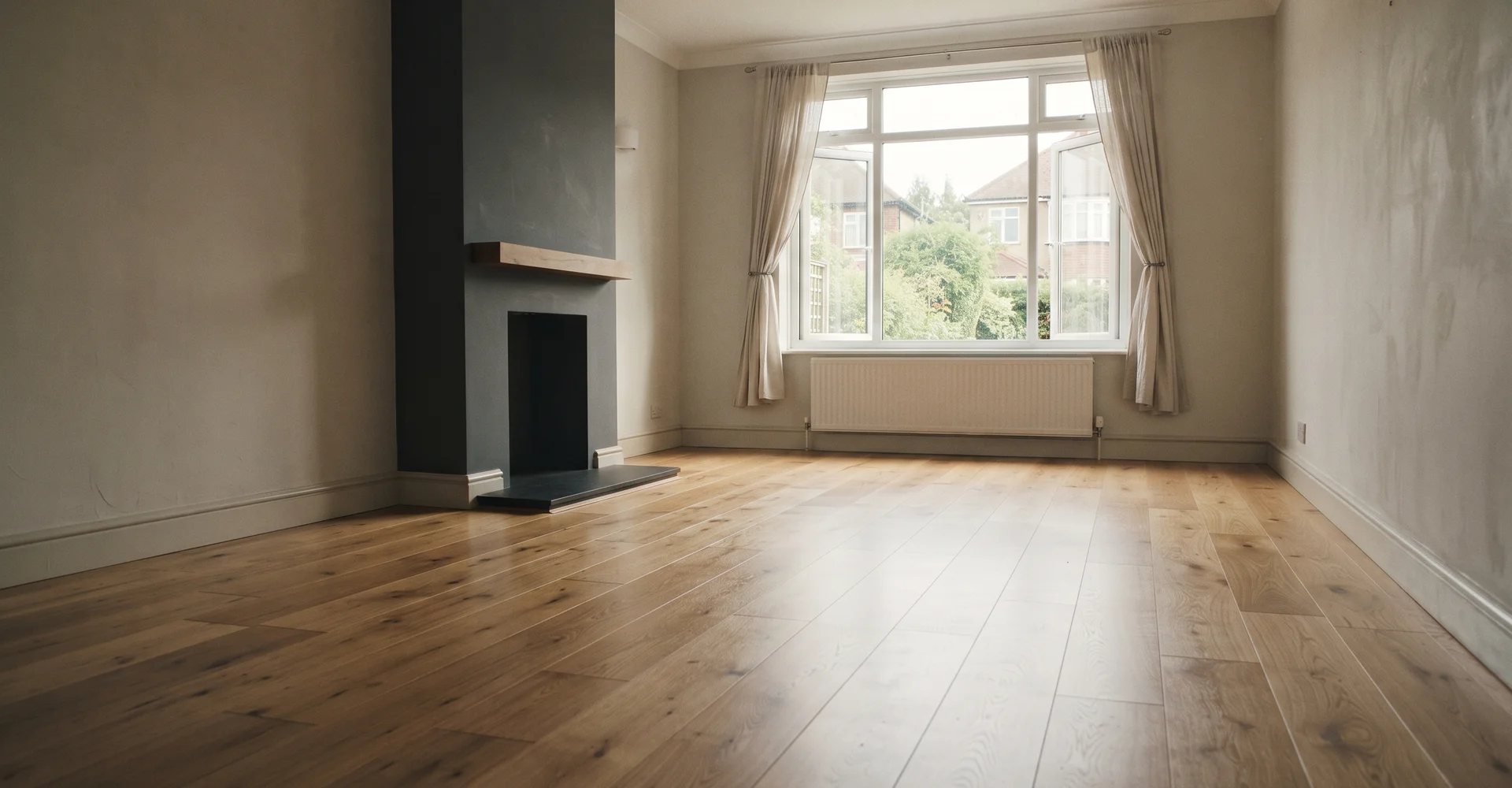
We never publish client scenes. These images show the equipment, the protective standards, and the restored condition we hand back.
How Best Extreme Cleaning Compares
| Feature | Typical provider | Best Extreme Cleaning |
|---|---|---|
| Willingness to attend | Declines the job | Routine service category |
| Crew protection | Dust mask and gloves | Full-face P100 and Tyvek coveralls |
| Hidden damage | Not assessed | Mould, moisture, and pest assessment included |
| Disinfection | General cleaner | Category 3 biological remediation protocol |
| Reporting | Verbal | Written turnover report for owners and agencies |
Client Experiences
What Customers Say About Our Squalor Cleanup Work
Reviews from families, executors, and property managers across the region.
I manage a small building here and had a unit that two other companies walked away from. They quoted it in writing, cleared it, and sanitized the whole space.
They handled a unit nobody else would touch, gave me a written quote up front, and had it ready to re-let.
There was nobody local who would handle it. They came out, quoted it honestly, and did the whole job in one visit.
Questions
Squalor Cleanup FAQs
What counts as squalor rather than a dirty property?
How much does squalor decontamination cost in Ottawa?
Is this the same as hoarding cleanup?
Do you handle the pest problem too?
Can a landlord book this without the tenant present?
Will the unit be rentable afterwards?
Is it safe for me to go in first?
What about mould behind the contamination?
Still have questions?
Nothing you describe will surprise us, and nothing leaves the call. Talk to a real person any hour of the day.
Call 613-801-1011Related Services
Hoarding Cleanup
Full-property hoarding cleanup for light through severe cases, with sorting, sanitization, and mental-health coordination.
View service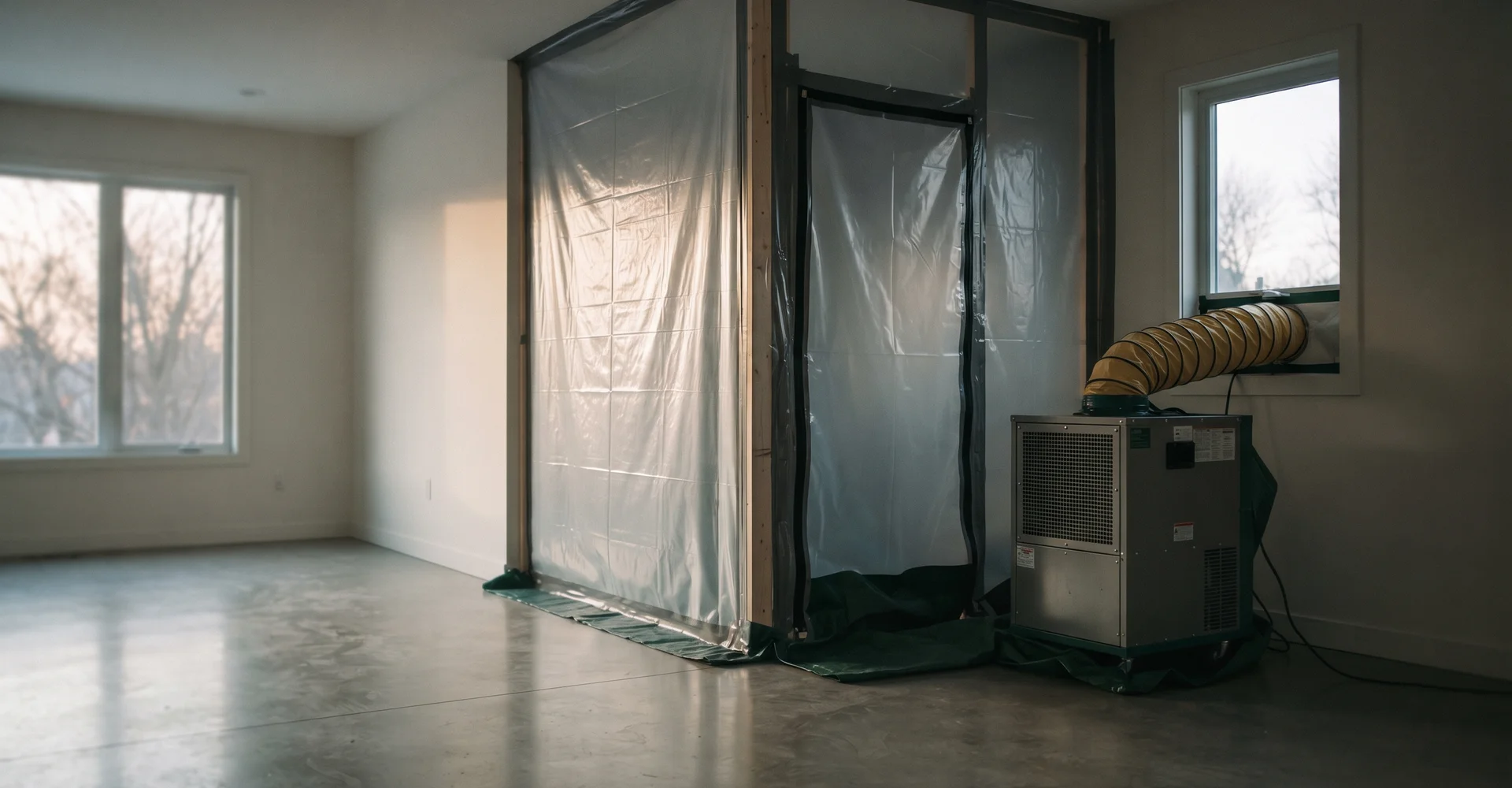
Biohazard Cleanup
Full decontamination for blood, bodily fluids, needles, and infectious waste, compliant with Ontario disposal rules.
View service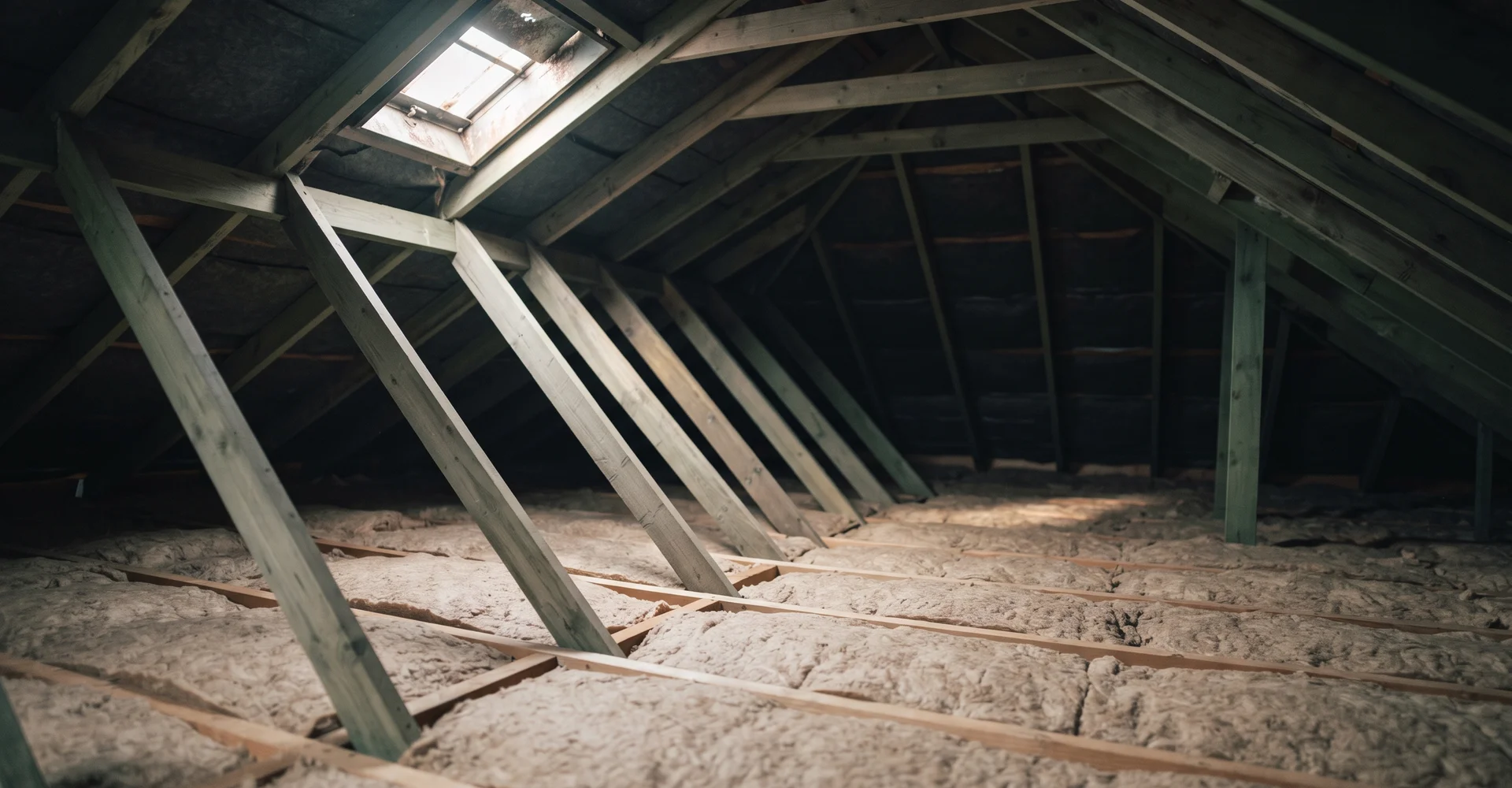
Animal Waste & Pest Contamination Cleanup
Removal and sanitization of rodent, raccoon, pigeon, and other animal droppings, plus syringe recovery and pest contamination.
View service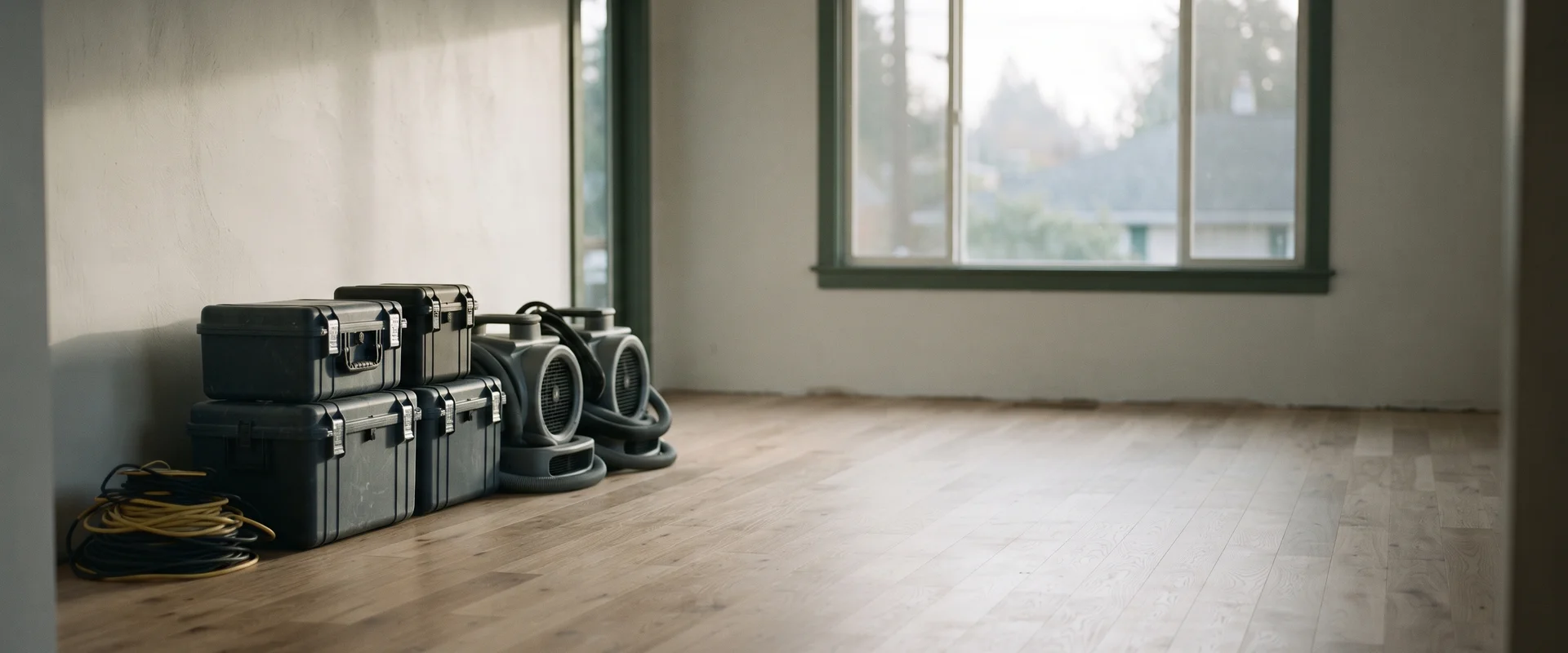
Ready to Talk About Squalor Cleanup?
Free assessment, written quote before we start, and an unmarked crew that has done this work many times before.
- Free assessment, written quote
- Unmarked vehicles, neutral uniforms
- Insurance direct billing on covered claims