
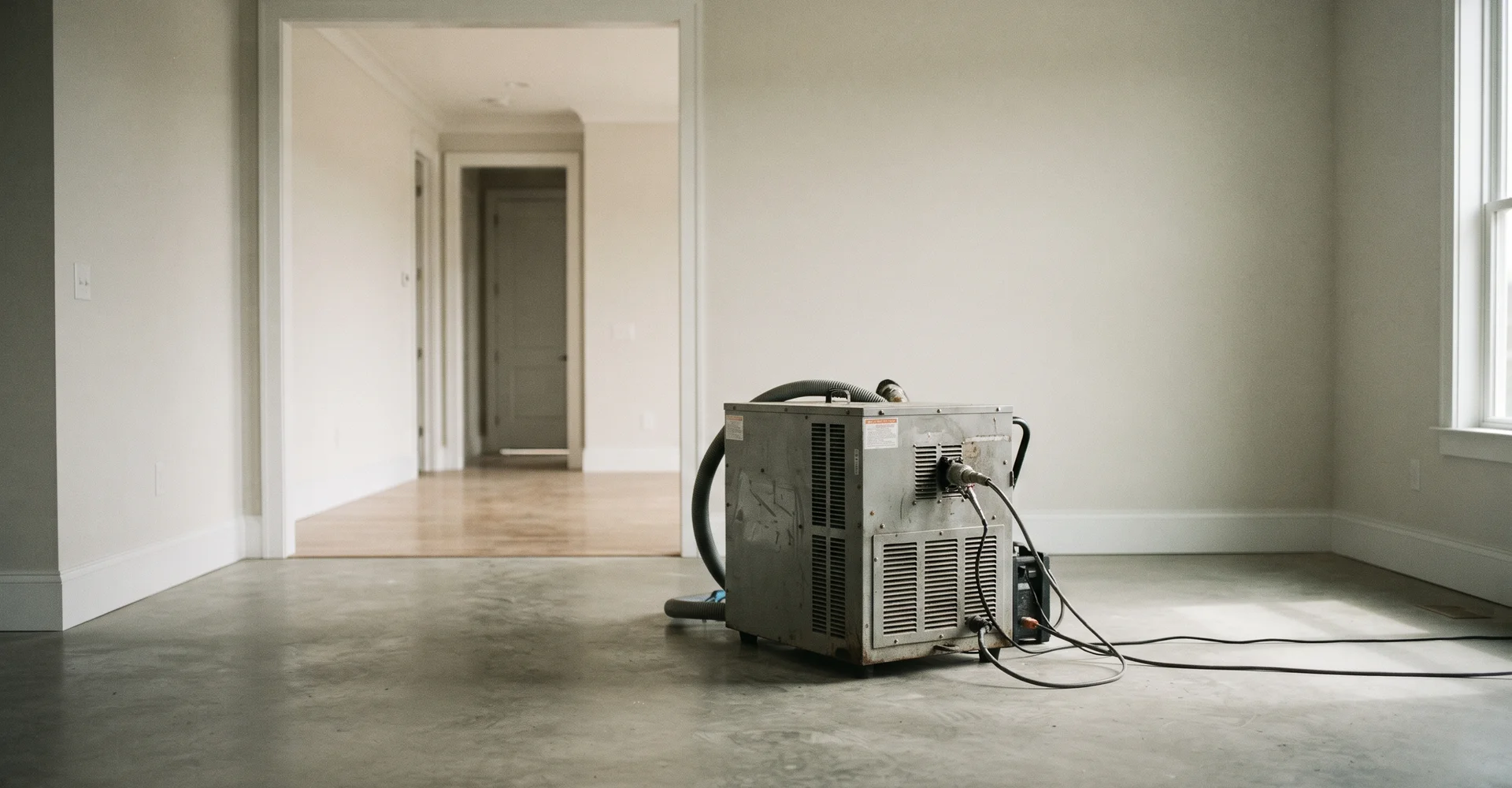
Molecular Odour Removal, Not Masking, in Ottawa
Molecular odour elimination for biological, smoke, urine, and decomposition odours using hydroxyl generators and ozone.
- Licensed, insured, WSIB
- Unmarked vehicles
- Phone answered 24/7
Where This Usually Starts
The Problems Behind Every Odour Removal Call
Masking never lasts
Air fresheners and store-bought sprays cover smoke, urine, or decomposition odour for a day, then it comes right back.
The smell affects daily life
A property that smells wrong is hard to live in, hard to sell, and hard to have anyone over to.
Worried it has soaked in for good
Odour that has penetrated drywall, subfloor, or insulation feels permanent until someone treats it at the molecular source.
What This Service Covers
What Is Odour Removal?
We eliminate biological, smoke, urine, and decomposition odours at the molecular level using industrial hydroxyl generators and ozone gas decontamination, breaking the compounds down at the source rather than covering them.
We never use scent masking. Families who have been sold a perfumed treatment routinely report the original smell returning within weeks, usually stronger, because the source was never addressed.
Treatment scales from a single room to a full property. Where odour has saturated porous material, removal comes first, then oxidation, then sealing. That order is what makes the result permanent.
What's included
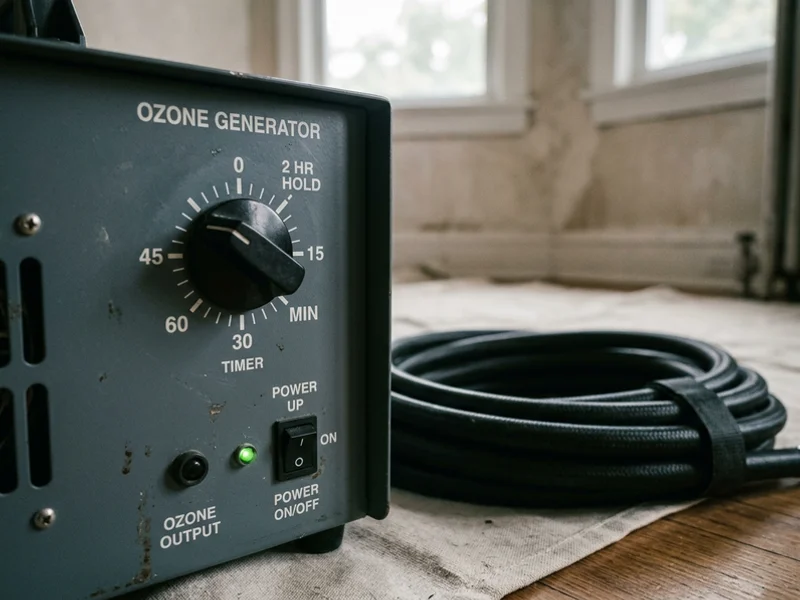
- Hydroxyl generators and ozone shock treatment
- Molecular oxidation at the source, not masking
- Smoke, urine, biological, and decomposition odours
- Single-room through full-property treatment
- HEPA and activated carbon filtration
- Shellac-based primer sealing where required
Where we do this work
Across every Ottawa district, the Gatineau side, and up to 200 km into Eastern Ontario. Free assessments throughout the coverage area.
See service areasHave you ever scrubbed a room from top to bottom, only to have that stubborn smell return the next day? Odour removal often feels like a frustrating guessing game for many homeowners and business owners.
We know exactly how exhausting it is to constantly buy air fresheners that just mask a persistent problem.
A recent Health Canada report points out that indoor air quality relies heavily on tackling invisible compounds directly. The good news is that getting rid of them permanently is entirely possible. Our team has spent years tracking down hidden sources of terrible smells across Canada.
Grab a cup of coffee, and let’s go through it together. You might be surprised by how simple the science behind it actually is. We will walk you through the exact steps used to find and eliminate these issues.
Why Do Odours Come Back After Treatment?
Because the smell itself was never the actual problem. Airborne volatile organic compounds (VOCs) released by a hidden source are the true cause. Our experience aligns with a 2023 study on Canadian residential air, which found VOCs account for about 20% of total organic compounds indoors.
Those particles will continue to release the moment any surface treatment stops if the origin stays in the building. These four specific sources show up most often in Ottawa homes and require direct attention:
- Saturated carpet underlay and subfloors holding trapped liquids.
- Nicotine tar and resin films coating walls and ceilings.
- Biological residue hiding in wall cavities and duct runs.
- Urine salts that have crystallized deep into the subfloor over time.
We see that none of these issues can be fixed by simply fogging a room. The leading industry guideline, the ANSI/IICRC S100 standard, states that the very first principle of odour control is physical source removal. Direct treatment or complete extraction is necessary before any oxidation process will hold long-term.
Our first step is always finding the source rather than just treating the air. Moisture meters and thermal imaging cameras help pinpoint exactly where compounds have penetrated. Flooring gets lifted where readings suggest deep saturation. We carefully inspect duct runs and thoroughly check the framing behind affected walls.
How Does Molecular Oxidation Work?
Both hydroxyl and ozone technologies work by breaking the odour compound apart rather than covering it up. This chemical reaction is exactly what makes the final result permanent. We rely on these powerful methods to completely destroy the molecular structure of the smell.
Industrial hydroxyl generators, like the popular Odorox systems, produce hydroxyl radicals from ambient humidity and UV energy. These radicals react with volatile organic compounds and safely break them down into harmless water vapour and carbon dioxide. Our teams find this process takes more time but remains completely safe to run in occupied spaces. This safety factor matters hugely for tenanted units and for households that simply cannot leave during treatment.
Ozone gas decontamination, often called O3 shock treatment, acts much more aggressively. We saturate the entire space with ozone at heavy concentrations that oxidize almost anything organic. The comparison below outlines the key differences between these two powerful tools. This quick reference helps property owners understand which method fits their specific situation. We provide this breakdown so you know exactly what to expect.
| Feature | Hydroxyl Generators | Ozone Gas (O3 Shock) |
|---|---|---|
| Speed of Results | Slower, gradual process | Fast, aggressive breakdown |
| Occupancy Safety | Safe for occupied spaces | Must be strictly unoccupied |
| Ideal Application | Tenanted units, mild smells | Heavy tobacco, severe jobs |
| Residue Risk | Leaves no chemical residue | Requires thorough ventilation |
Health Canada sets strict residential exposure limits for ozone at just 0.02 parts per million (ppm). Because shock treatments operate well above that limit, the space must be unoccupied and properly ventilated afterwards. Our technicians choose this faster route for heavy tobacco saturation and serious decomposition work.
Oxidation alone will not finish the job when compounds have deeply penetrated framing or subfloors. A heavy-duty product like Zinsser B-I-N shellac-based primer sealer is applied to those raw surfaces. We seal those surfaces to lock residual residue behind an impermeable film before any rebuild or repaint.
Which Odours Do You Handle?
Every property tells a different story with specific smells requiring highly targeted approaches. Finding the right solution depends entirely on understanding the chemical makeup of the problem. We tackle a wide variety of challenging situations using specialized techniques. The most common issues encountered in the field include the following situations:
- Decomposition, which is handled within our trauma scene cleanup process because the structural work comes first.
- Smoke and soot, usually part of a broader fire and smoke damage restoration scope, including HVAC duct decontamination following IICRC S700 standards.
- Heavy tobacco, where nicotine tar coats every surface, including inside fixtures and behind switch plates.
- Animal urine, a massive issue since the 2024 Canadian Animal Health Institute survey reports that 65% of Canadian households now own pets.
- Biological and sewage odour, generally treated alongside full decontamination work rather than on its own.
- Musty and mildew odour, which is a moisture problem first and usually points to professional mould removal.
Each of these unique challenges requires a different chemical countermeasure. We always match the specific counteractant to the exact type of contamination present. Ammonia crystals from pet urine behave very differently than oily soot from a kitchen fire. Recognizing these differences prevents costly secondary damage to the property. Our approach ensures that the correct science is applied to every single job.
What Does Thermal Fogging Add?
Thermal fogging uses high heat to create a microscopic, penetrating fog of specialized odour-counteracting agents. These tiny particles, often measuring between 10 and 50 microns, follow the exact same paths the original smoke or gas took through a building. We use professional-grade equipment like Electro-Gen foggers to push this mist into places that standard cleaning cannot reach.
“The heated vapor easily penetrates into tiny cracks, deep cavities, and tight spaces behind baseboard trim.”
This technique serves as a powerful supporting tool rather than a standalone fix. We always pair it with physical removal and oxidation on complex smoke jobs. Contractors should never use fogging as a substitute for actual cleaning or material extraction. High-quality odorcides like those from ProRestore are designed to chemically neutralize the particles rather than just adding a heavy perfume. Our standard procedure ensures that once the full cycle is complete and the property is properly ventilated, the space reads completely neutral.
How Do You Know When It Has Worked?
The final test is incredibly simple and entirely unforgiving. After proper ventilation, the property should smell like absolutely nothing. We refuse to accept a space that smells like citrus, a hotel corridor, or a harsh cleaning product.
If anyone can still detect the original odour on return, another cycle is run immediately. Handing a property back and simply hoping for the best is never an acceptable practice. We follow the IICRC Odor Control Technician (OCT) guidelines, which demand a truly neutral environment before completion.
Olfactory fatigue, commonly known as nose blindness, happens very quickly during this type of work. Crews working around a strong smell all day will naturally stop noticing it within hours. Our protocol requires a multi-step verification to combat this biological reality:
- Ventilating the space completely to remove treatment gases.
- Waiting for the air to settle into a natural state.
- Bringing in a fresh inspector with an uncompromised sense of smell.
This vital second opinion acts as a fail-safe for tenanted and commercial properties. That final verification step is built directly into the handback process for every odour removal project. We provide this necessary assurance at absolutely no extra cost to you.
Reach out today to schedule a thorough inspection of your property. Getting professional help is the fastest way to breathe easy again. We are ready to help you reclaim your space.
Transparent Pricing
How Much Does Odour Removal Cost in Ottawa?
Every project is scoped on site and quoted in writing before work starts. These are the ranges most jobs land in.
Single room
One room, source already removed.
Typical range $300 to $1,500
- Hydroxyl or ozone treatment cycle
- HEPA and carbon filtration
- Surface treatment of hard finishes
- Follow-up check included
Multi-room
Several rooms or shared HVAC spread.
Typical range $1,500 to $3,500
- Multiple treatment cycles
- HVAC and duct consideration
- Thermal fogging where required
- Porous material assessment
Full property
Whole-home saturation such as heavy tobacco or decomposition.
Typical range $3,500 to $6,000
- Whole-property oxidation programme
- Non-restorable material removal
- Shellac-based primer sealing
- Verification before handback
Where the odour source is still present, removal is quoted separately from the odour treatment.
Assessments are free across Ottawa and Eastern Ontario, and nothing is added to the price mid-job. On covered claims we direct-bill most Ontario insurers.
Talk it through: 613-801-1011Why Choose Us
Why Choose Best Extreme Cleaning for Odour Removal?
No perfume, ever
If a treatment smells like anything at handback, the source is still there. Ours smell like nothing.
Source before treatment
We remove saturated material first. Skipping that step is why most odour jobs fail within a month.
Occupied-space options
Hydroxyl treatment can run safely in occupied spaces where ozone cannot, which matters for tenanted units.
Full-property capability
Heavy tobacco, decomposition, and animal urine saturation need whole-property programmes, not a rented machine.
Our Process
How Our Odour Removal Work Runs
-
Find the source
Odour is a symptom. We locate what is producing it, whether that is saturated underlay, subfloor, insulation, or duct residue.
-
Remove what cannot be saved
Porous material that has absorbed the compounds is removed rather than treated, because treatment cannot reach the middle of a carpet pad.
-
Oxidise
Hydroxyl generators or ozone shock treatment break the remaining volatile compounds apart at the molecular level.
-
Seal and verify
Where residue has penetrated framing, we seal with shellac-based primer, then confirm the space reads neutral rather than scented.
Our Work
Equipment, Method, Result
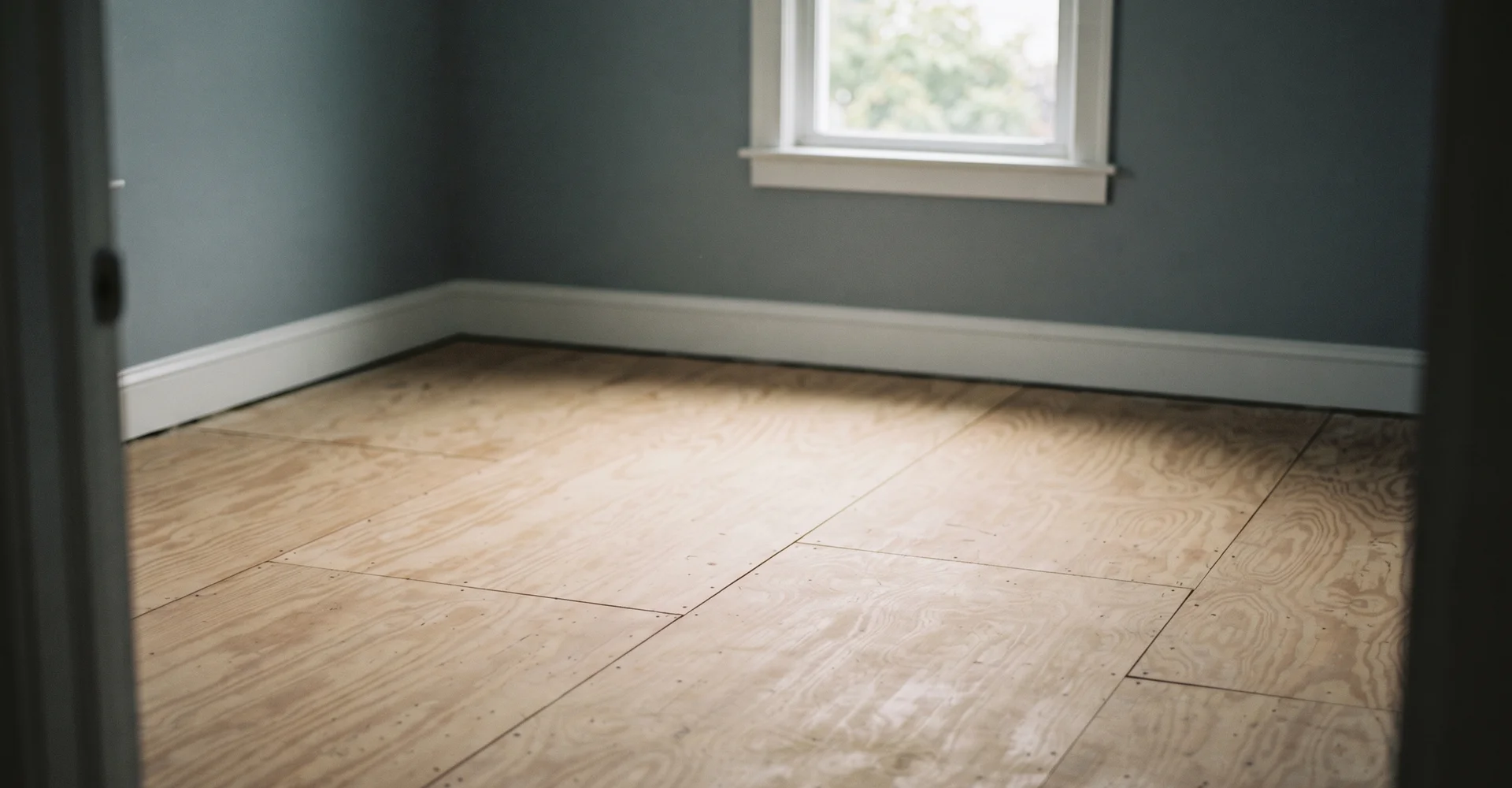
We never publish client scenes. These images show the equipment, the protective standards, and the restored condition we hand back.
How Best Extreme Cleaning Compares
| Feature | Typical provider | Best Extreme Cleaning |
|---|---|---|
| Method | Scent masking or deodorizer | Hydroxyl and ozone molecular oxidation |
| Porous material | Cleaned in place | Removed where non-restorable |
| Occupied spaces | Ozone only, vacate required | Hydroxyl option for occupied areas |
| Sealing | Skipped | Shellac-based primer where residue reaches framing |
| Result at handback | Smells of product | Smells of nothing |
Client Experiences
What Customers Say About Our Odour Removal Work
Reviews from families, executors, and property managers across the region.
The odour was completely gone, not masked. Months later there is still nothing, which is more than I expected.
Fast, discreet, and they explained every line of the quote before starting.
I manage several rentals. They handled a unit nobody else would touch and it was rentable again in days.
Questions
Odour Removal FAQs
How much does odour removal cost in Ottawa?
What is the difference between hydroxyl and ozone?
Why did my last odour treatment stop working?
Can you remove cigarette smell from a whole house?
Do you handle pet urine odour?
How long does treatment take?
Is ozone safe for my home?
Will you treat odour after a flood or fire?
Still have questions?
Nothing you describe will surprise us, and nothing leaves the call. Talk to a real person any hour of the day.
Call 613-801-1011Related Services
Trauma Scene Cleanup
Discreet 24/7 cleanup after crime scenes, suicides, unattended deaths, and other trauma events.
View service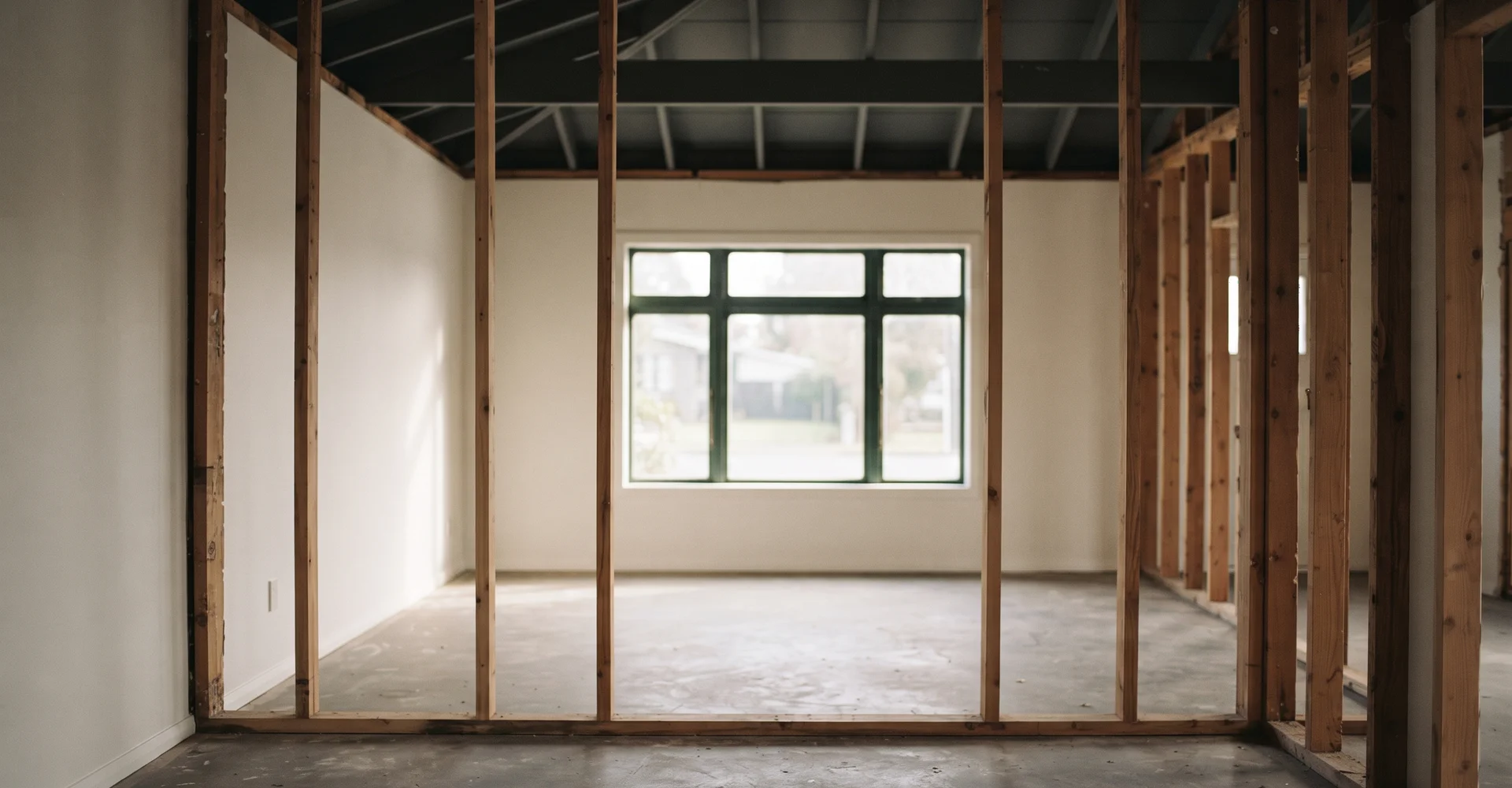
Fire & Smoke Damage Restoration
Full restoration after fire events, including soot removal, structural cleaning, smoke-odour elimination, and contents cleaning.
View service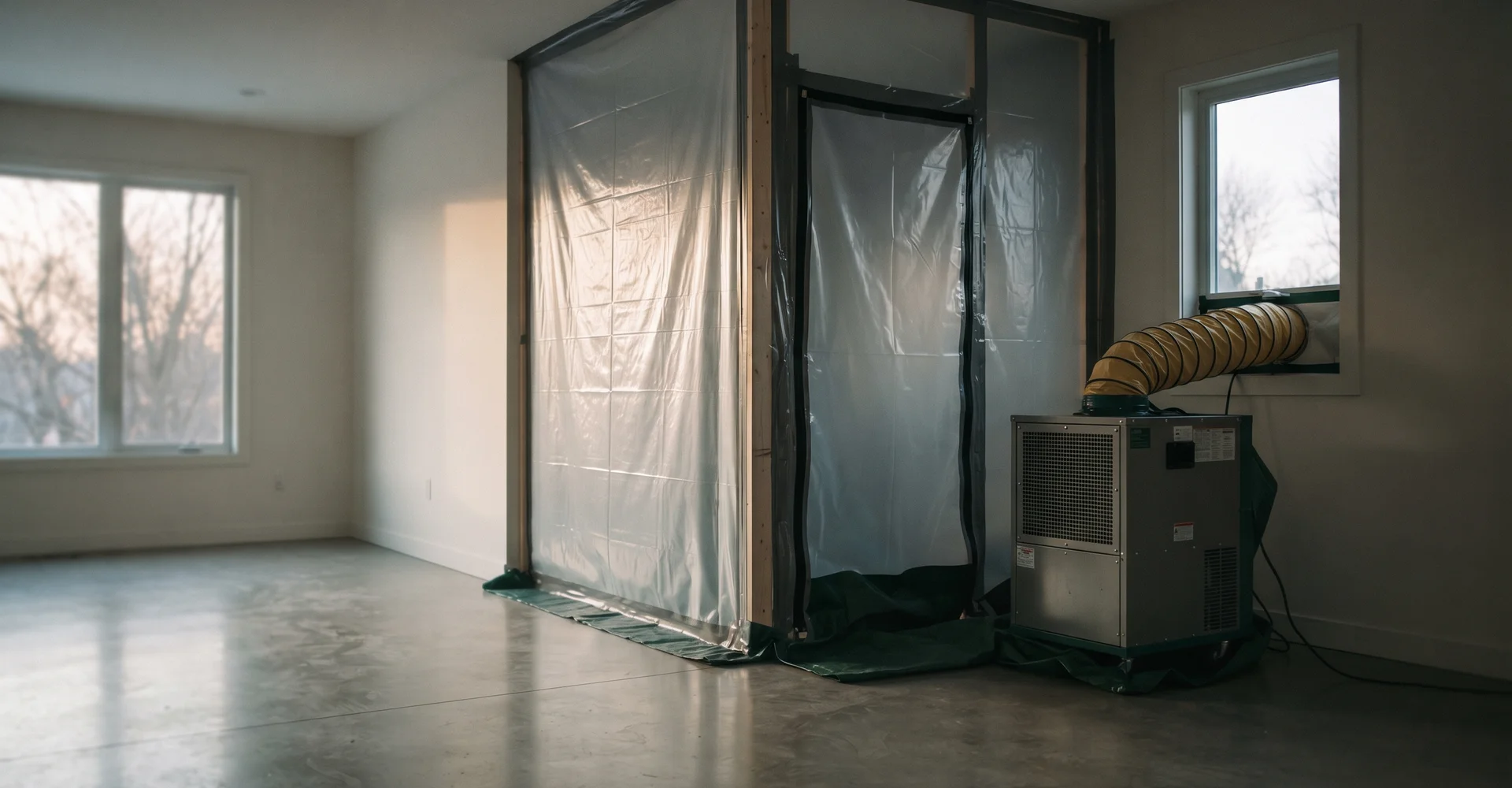
Biohazard Cleanup
Full decontamination for blood, bodily fluids, needles, and infectious waste, compliant with Ontario disposal rules.
View service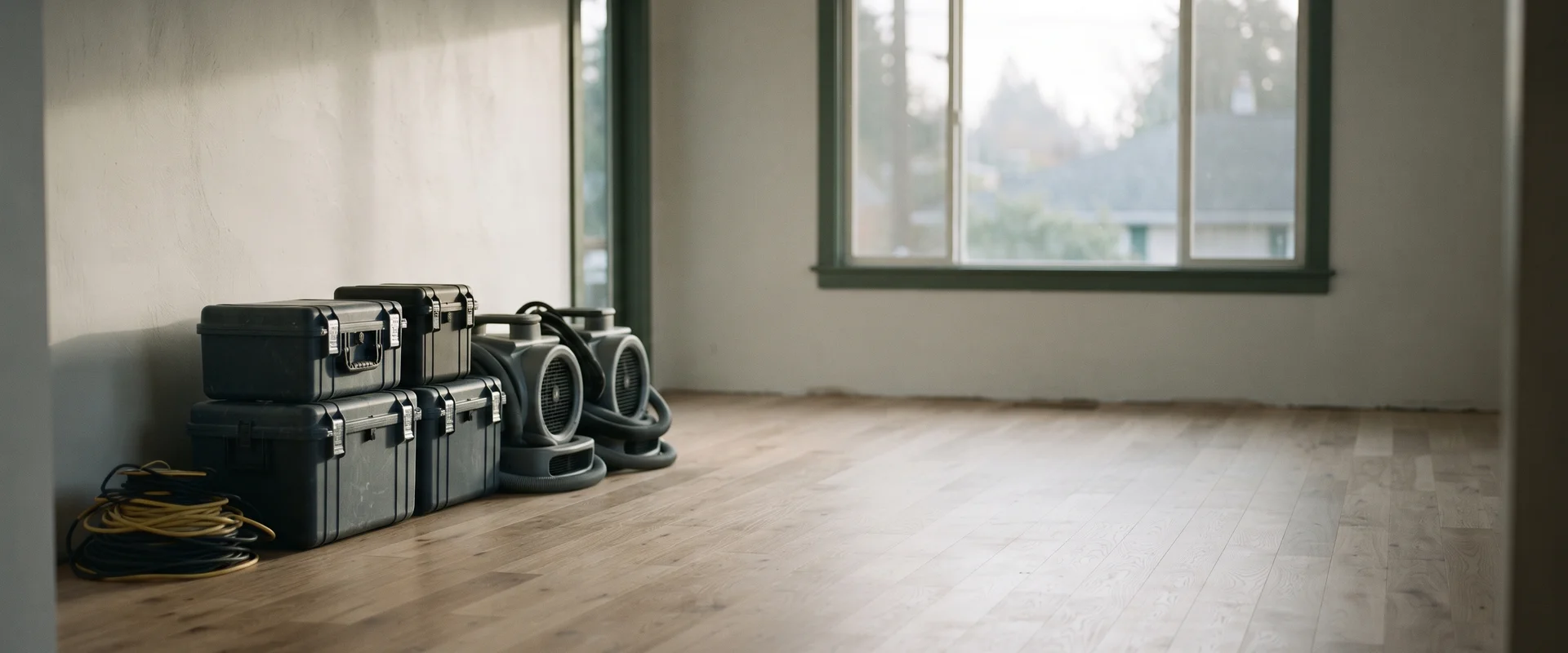
Ready to Talk About Odour Removal?
Free assessment, written quote before we start, and an unmarked crew that has done this work many times before.
- Free assessment, written quote
- Unmarked vehicles, neutral uniforms
- Insurance direct billing on covered claims